

GTNS | September 7, 2026 India is looking to turn its growing network of international trade agreements into a new launchpad for the pharmaceutical sector, with the government urging drug makers and medical-technology companies to think beyond conventional export markets and build a stronger presence across the global healthcare economy.
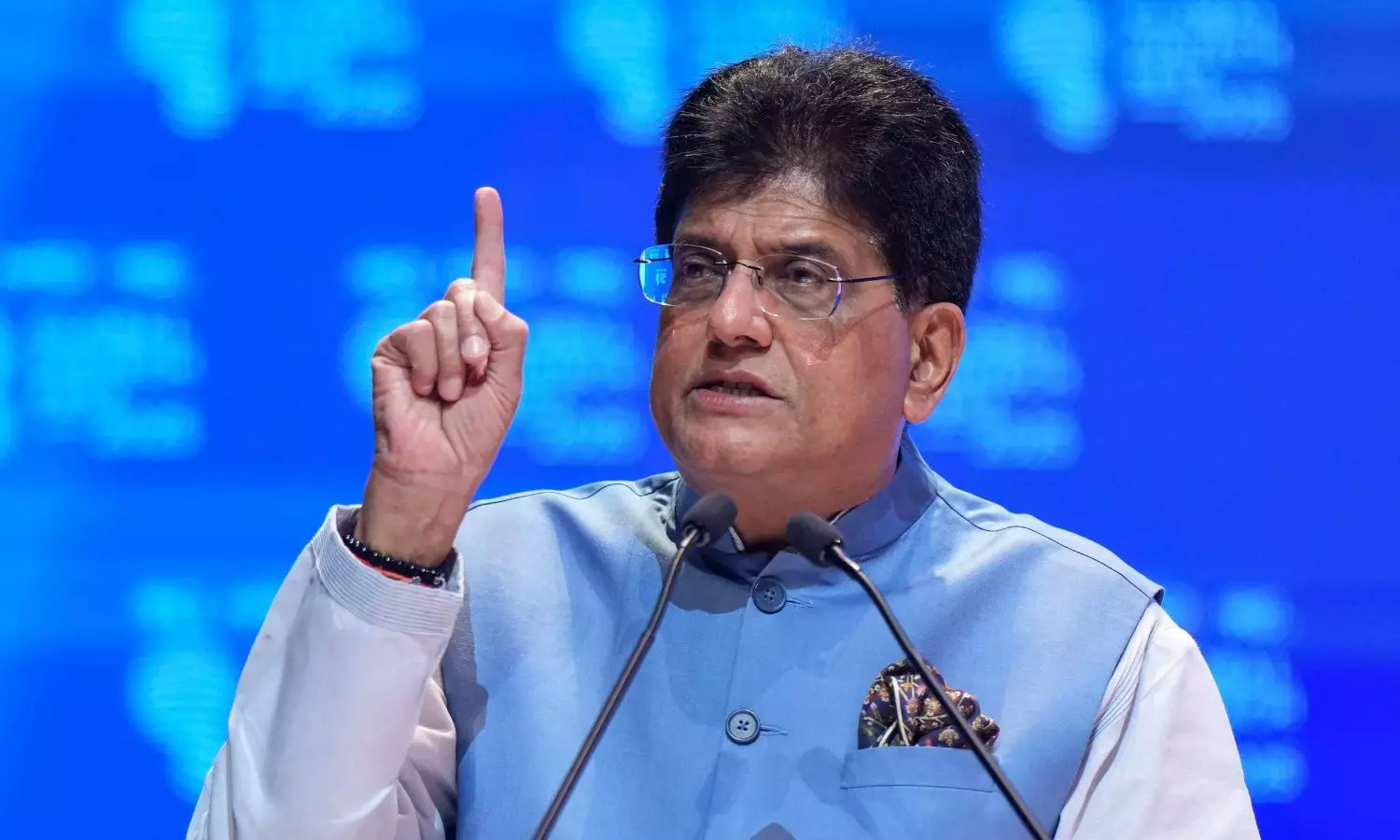
Commerce and Industry Minister Piyush Goyal has called upon the industry to make strategic use of market-access opportunities created through Free Trade Agreements (FTAs). The objective, according to the government, is to strengthen India’s position not merely as a major supplier of medicines but as a competitive global hub for healthcare products, technology and innovation.
The appeal comes at a time when international trade is undergoing significant changes. For Indian pharmaceutical companies, expanding into new markets could provide an opportunity to diversify exports and reduce dependence on a limited group of destinations.
A new phase for Indian pharmaceuticals
India’s pharmaceutical industry has already established a strong international reputation, particularly in generic medicines and vaccines. But the government’s latest push reflects an ambition to take the sector into higher-value segments.
The next stage could involve greater investment in complex medicines, biotechnology, biosimilars, advanced formulations, medical devices and research-driven products.
For companies, this means that international competitiveness will increasingly depend on more than manufacturing scale. Product quality, research capabilities, regulatory approvals, intellectual property and international distribution will become equally important.
FTAs can change the export equation
Trade agreements can give Indian businesses preferential access to overseas markets and potentially improve their competitive position.
Goyal has encouraged pharmaceutical companies to study these agreements closely and identify products and markets where the new trade arrangements can translate into commercial opportunities.
The government’s message is particularly relevant for smaller and mid-sized manufacturers that may have strong production capabilities but limited international reach.
A stronger understanding of foreign regulations, certification requirements and distribution systems could help these companies use trade agreements more effectively.
Healthcare opportunity goes beyond medicines
The government’s vision also extends beyond pharmaceutical products.
India’s medical-technology industry is being viewed as another potential growth engine. Domestic production of medical equipment, diagnostic technologies and other healthcare products could help create new businesses while strengthening supply-chain resilience.
Greater collaboration between manufacturers, technology companies, universities and research institutions could also accelerate innovation.
Such partnerships could help Indian companies move from contract manufacturing and conventional products towards proprietary technologies and internationally recognised brands.
Research to become a competitive advantage
The government’s emphasis on innovation signals a potential change in the way India’s healthcare industry approaches global competition.
Indian companies have traditionally benefited from their ability to manufacture medicines at competitive prices. Going forward, research and intellectual property could become increasingly important sources of competitive strength.
Investment in laboratories, product development, patents and advanced manufacturing could enable Indian companies to compete in segments where technological capability matters as much as cost.
International partnerships could further support access to technology, expertise and global research networks.
Building a wider healthcare ecosystem
The larger ambition is to create an ecosystem in which pharmaceuticals, medical devices, diagnostics, digital healthcare and related services reinforce one another.
Such an ecosystem could attract foreign investment, generate skilled employment and create opportunities for Indian companies to participate in global healthcare supply chains.
The government also sees stronger domestic manufacturing as important for reducing vulnerabilities exposed during global supply disruptions.
The road ahead
India’s pharmaceutical industry now faces an opportunity to convert trade diplomacy into business expansion.
FTAs can open doors, but entering a new market requires companies to meet regulatory standards, understand consumer and healthcare requirements and establish reliable international networks.
The government’s challenge to the industry is therefore broader than simply increasing exports. It is about using India’s manufacturing strength as the foundation for a more innovation-led and globally integrated healthcare sector.
If Indian companies can combine competitive production with research, technology, quality and effective international market strategies, the country could strengthen its role in the global pharmaceutical economy.
For India, the next chapter of pharmaceutical growth may not simply be about producing more medicines. It could be about creating, developing and delivering the next generation of healthcare products to the world.
— GTNS | Global Times News Service