
Chinese President receives rare airport welcome from Trump as three-day state visit opens amid major US-China differences
GLOBAL TIMES NEWS | INDIA ; GTNS
SEPTEMBER 24, 2026 : Chinese President Xi Jinping arrived in the United States on September 23 for a three-day state visit that has placed the world’s two largest economies back at the centre of global diplomatic attention.
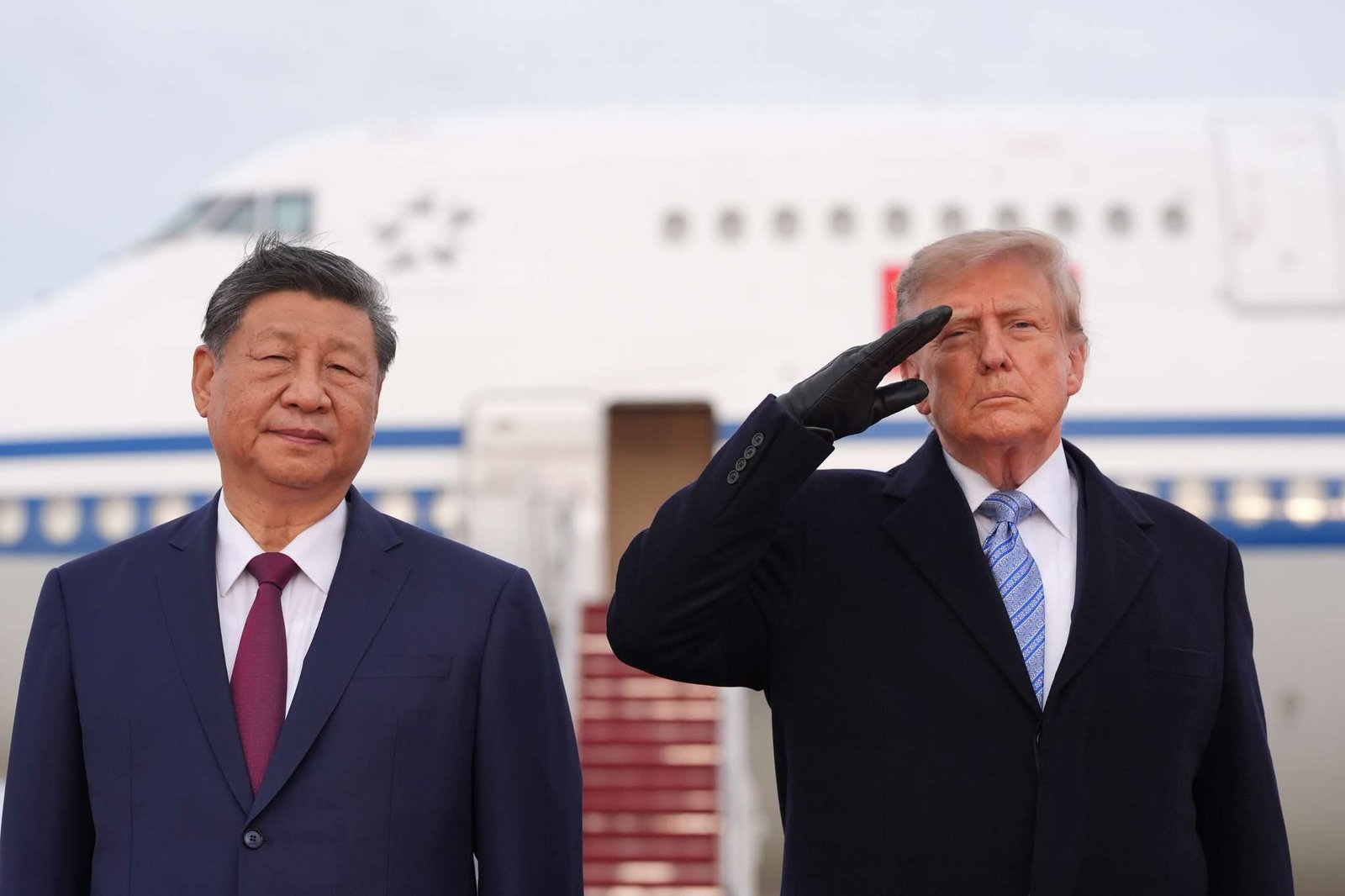
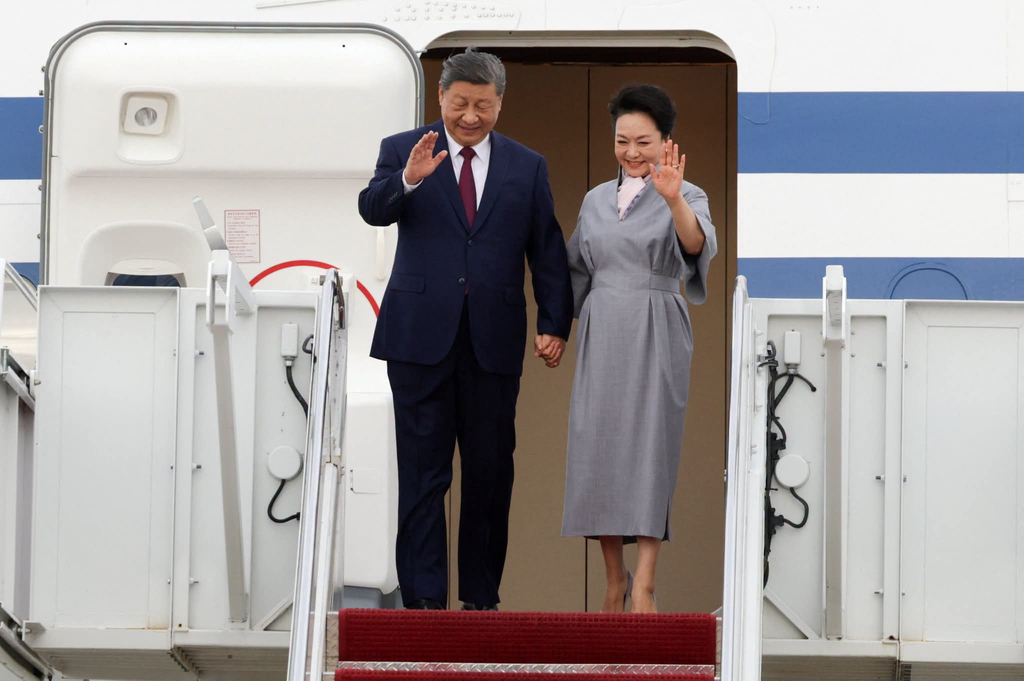
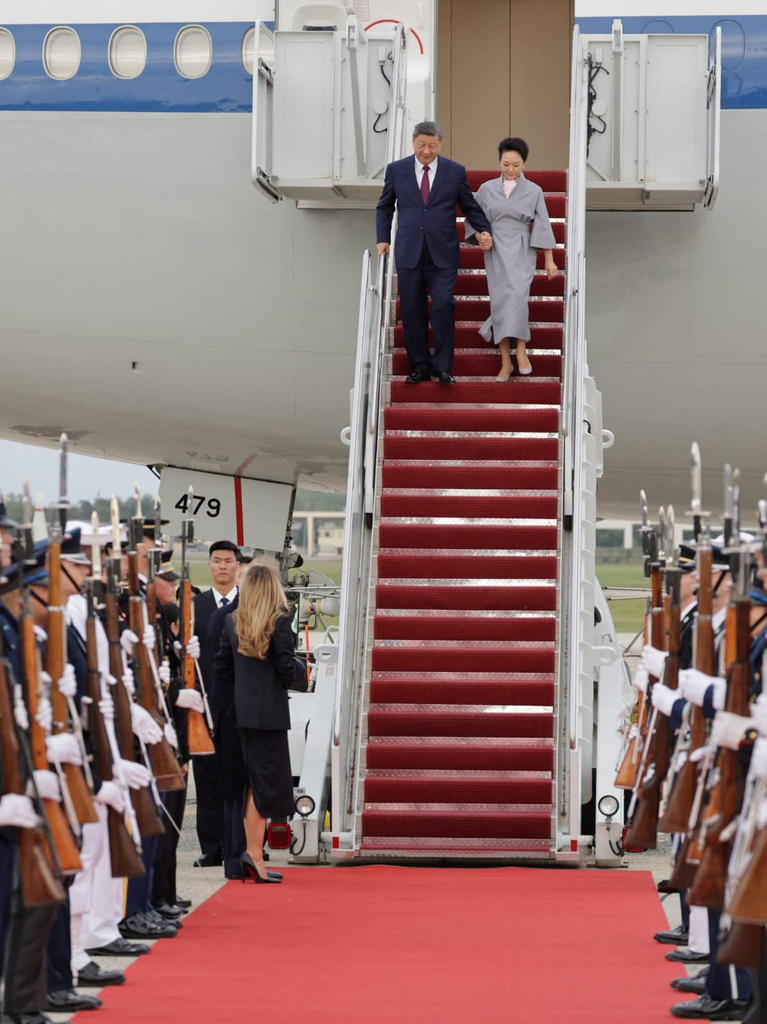
Xi and Chinese First Lady Peng Liyuan landed at Joint Base Andrews in Maryland, where US President Donald Trump and First Lady Melania Trump personally welcomed them on the tarmac. The unusual airport reception was followed by a formal programme designed to give the visit the full symbolism of a state occasion.
Xi’s visit is his first Washington state visit in more than a decade and follows Trump’s visit to China earlier this year. The two leaders are now meeting again as Washington and Beijing attempt to manage competition while keeping diplomatic channels open.
Rare welcome at Joint Base Andrews
The arrival itself became one of the first major diplomatic moments of the visit.
Trump and Melania Trump greeted Xi and Peng after they stepped out of the Air China aircraft. A red carpet and honour guard were arranged at the air base, while the programme included the US and Chinese national anthems, a 21-gun salute and a military flyover. Two American children also presented flowers to the Chinese presidential couple.
The White House had planned an extensive state-arrival ceremony for September 24, involving 479 military personnel representing the US armed forces. The programme includes military honours, remarks by both presidents and a flyover involving a B-2 Spirit and four F-22 Raptors.
White House talks at the centre of the visit
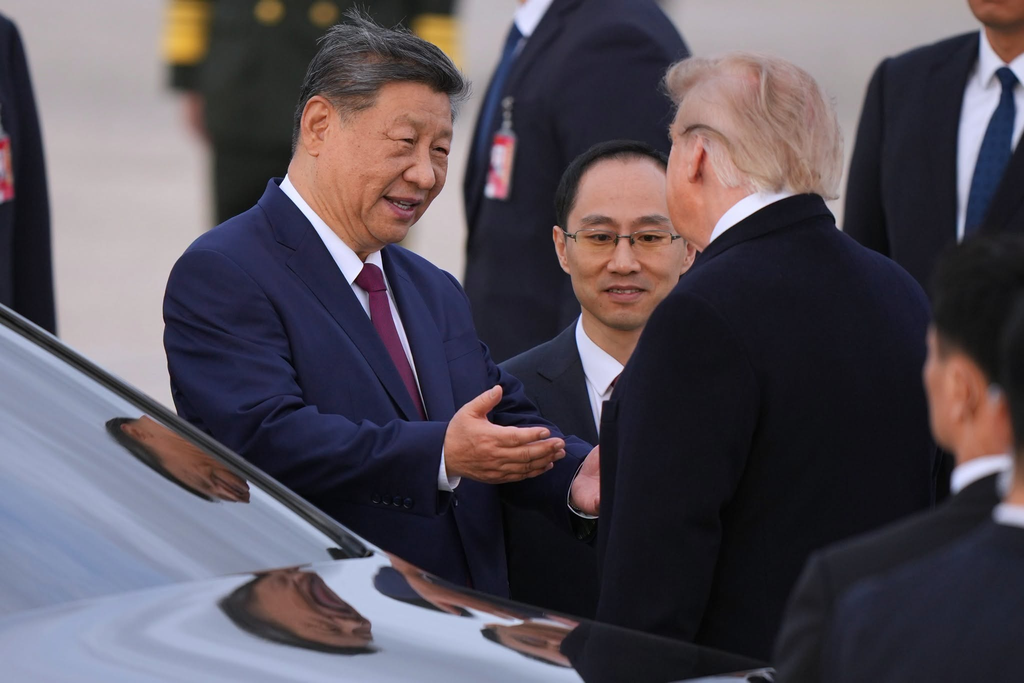
The principal diplomatic engagement is taking place at the White House, where Trump and Xi are holding discussions on bilateral relations and international issues.
The agenda comes against a backdrop of continuing economic and technological competition between Washington and Beijing. The two sides have moved away from the extremely high tariffs seen during the earlier trade confrontation, but several restrictions and disagreements remain.
Trade remains a major test
Trade is expected to remain one of the central subjects.
The existing US-China tariff arrangement is due to face another deadline in November. Both governments therefore have an interest in preventing another sharp escalation while negotiating the terms of their broader economic relationship.
Rare-earth supplies, tariffs, market access and the flow of strategic goods remain important elements of the economic relationship.
Artificial intelligence moves to the diplomatic front
Technology has become another major component of the US-China relationship.
Washington has imposed restrictions involving advanced semiconductor and AI technologies, while Beijing has criticised what it describes as attempts to restrict China’s technological development. The two countries are also competing for leadership in artificial intelligence.
US officials have discussed possible mechanisms for notification of AI-related incidents affecting national security, adding another layer to the technology discussions surrounding the summit.
Taiwan remains a sensitive issue
Taiwan continues to be one of the most difficult subjects in US-China relations.
Beijing regards Taiwan as part of China, while Washington maintains longstanding relations with Taiwan and provides defence-related support under US law. The issue therefore remains a major point of strategic disagreement between the two governments.
Iran adds another geopolitical dimension
The US-China relationship is also being tested by developments involving Iran.
Washington has been seeking to isolate Tehran economically, while Beijing maintains economic relations with Iran. US officials and lawmakers have raised questions about China’s role in the wider conflict, although the precise scope of the issue in the Trump-Xi discussions remains subject to the talks.
State dinner and cultural diplomacy
The diplomatic programme is being accompanied by an elaborate ceremonial schedule.
Trump and Melania Trump are hosting Xi and Peng at a White House state dinner on Thursday evening. The White House says the dinner will bring together official delegations, government officials and business leaders. The menu is designed around American ingredients with Chinese influences, and the dinner includes a reference to the historic 1972 US-China diplomatic opening.
Melania Trump and Peng Liyuan are also scheduled for a cultural programme at the Smithsonian National Museum of Asian Art, highlighting the cultural dimension of the visit.
Final day at the National Archives
The state visit is scheduled to continue on Friday with a tea meeting at the White House followed by a visit by the two presidential couples to the National Archives in Washington.
According to the White House programme, the visit will conclude there before Trump and Melania Trump bid farewell to Xi and Peng.
More than ceremony
Beyond the ceremonial pageantry, the visit is being closely watched for its practical implications.
Trade, advanced technology, AI, Taiwan, Iran and the broader structure of US-China relations all present areas where the two governments have competing interests. At the same time, the leaders’ decision to maintain direct dialogue provides a channel for managing those differences.
Xi’s Washington visit therefore combines diplomacy, economic negotiations and strategic communication — with the outcome likely to be judged not only by agreements announced during the meetings, but also by whether the two governments establish a framework for managing their continuing disagreements.
GTNS | INDIA ;
SEPTEMBER 24, 2026