

GTNS
SEPTEMBER 21, 2026 , Bhubaneswar: Odisha’s political focus shifts to the State Assembly on Tuesday as the seventh session of the 17th Legislative Assembly begins amid competing priorities of the government and opposition parties.
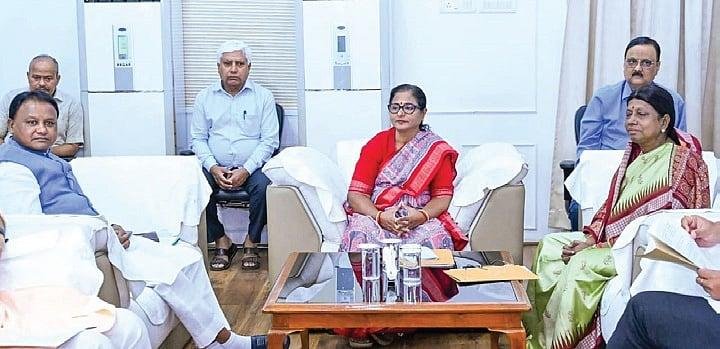
The session is scheduled from September 22 to October 3, with nine working days. A meeting of floor leaders chaired by Speaker Surama Padhy was held on Monday, where the government sought cooperation for orderly proceedings while opposition parties prepared to press a series of contentious public issues.
At the centre of the political debate is the Mines and Minerals (Development and Regulation) Amendment Act, 2026. The BJD and Congress have indicated that they intend to seek a detailed discussion on its implications for Odisha.
The opposition has raised questions over the state’s mining revenue and its position on outstanding mining-related claims. These are political claims and remain contested; the government has defended the legislation and its position.
Government seeks functioning House
Chief Minister Mohan Charan Majhi appealed to all parties to cooperate in maintaining parliamentary traditions and ensuring discussion on matters concerning the state.
Parliamentary Affairs Minister Mukesh Mahaling said several Bills are expected to come before the House and indicated that the government is prepared for discussion on issues of state interest, subject to the Speaker’s decision.
The official Odisha Legislative Assembly portal confirms that the seventh session is scheduled from September 22 to October 3.
Opposition prepares multiple fronts
BJD president and Leader of Opposition Naveen Patnaik, while addressing his party’s legislature meeting, identified the MMDR amendment, textbook-related controversy and farmers’ concerns among the issues his party intends to pursue.
The BJD has also raised concerns relating to law and order, flood management, prices, fiscal management and budget implementation. These are opposition allegations and positions rather than independently established findings.
Congress has separately indicated that it will raise the mining legislation along with issues including the Mahanadi water dispute, textbook controversy and law-and-order concerns.
Textbook controversy adds another political layer
The dispute over errors in school textbooks is also expected to enter the Assembly debate. Student organisations and political groups have announced demonstrations around the session, while the government has begun distributing corrected textbooks.
The political demand for ministerial accountability is being raised by protesters and opposition groups; the government has taken the position that corrections are being implemented.
Nine working days, many issues
With only nine working days available, the session will test how much time the House can devote to legislation, questions and public-interest debates alongside the political disputes already emerging outside the Assembly.
The immediate flashpoint is likely to be the MMDR amendment, but mining policy is only one part of the agenda. Education, agriculture, law and order, flood management and the Mahanadi issue are also expected to keep the government and opposition engaged.
The political significance of the session will ultimately depend less on the rhetoric before the opening bell and more on what is actually debated, what answers are placed on record and which legislative measures move through the House.
Global Times News | GTNS
SEPTEMBER 21, 2026