

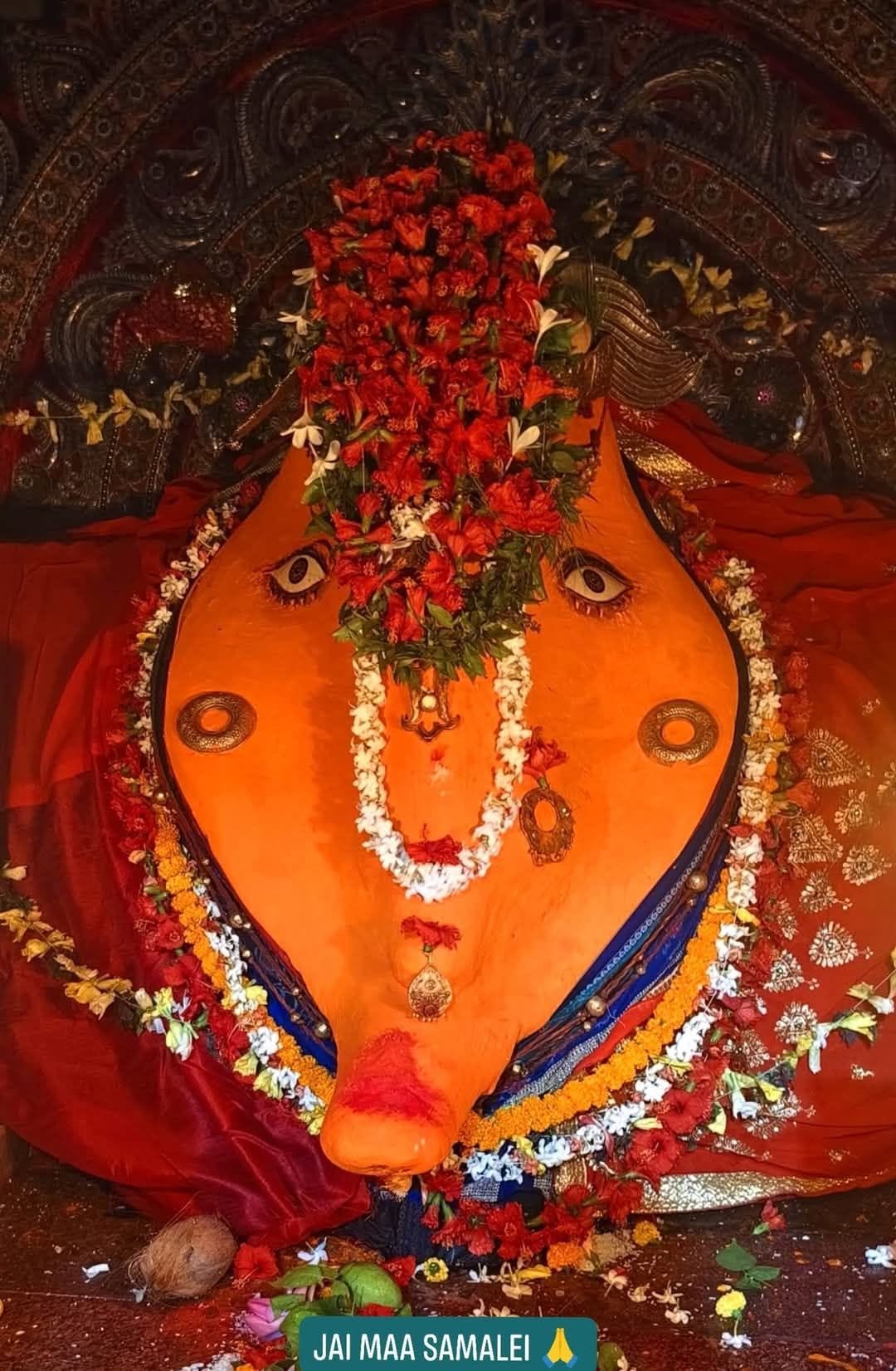
New rice offered at the shrines of Maa Samaleswari, Maa Pataneswari and Maa Manikeswari as Nuakhai celebrates agriculture, faith, family bonds and social unity across western Odisha
GTNS, SEPTEMBER 15, 2026,SAMBALPUR: One of western Odisha’s major agrarian festivals, Nuakhai, was observed with deep religious and cultural fervour as traditional Nabanna offerings were made at several prominent goddess shrines across the region.
The offering of the first harvest of new rice at the shrines of Maa Samaleswari, Maa Pataneswari and Maa Manikeswari reflected the deep spiritual significance attached to Nuakhai and its close connection with farming, faith and community life.
Nuakhai is not merely a festival associated with eating new rice. It represents the hard work of farmers, gratitude towards the soil, respect for nature and devotion to the presiding deities. Over generations, the festival has remained a living expression of the cultural identity of western Odisha.
Nabanna at the Heart of the Tradition
A central tradition of Nuakhai is the offering of the first portion of the new harvest to the presiding deity. The Nabanna offering symbolises the belief that the first produce of the season should be dedicated to the divine before the new grain becomes part of household celebrations.
Through this tradition, farmers express gratitude for the harvest and pray for a prosperous agricultural year ahead, abundant crops and the well-being of their families and communities.
Maa Samaleswari and Sambalpur’s Nuakhai Tradition
In Sambalpur’s religious and cultural landscape, Maa Samaleswari holds a deeply revered position. The offering of Nabanna at her shrine during Nuakhai represents the strong faith and longstanding traditions associated with the festival.
The practice of seeking the goddess’s blessings before consuming the new harvest gives Sambalpur’s Nuakhai celebrations a distinctive spiritual character.
The connection between the deity, the harvest and the people also reflects the close relationship between agriculture and religious traditions that has shaped the cultural life of the region.
Maa Pataneswari and the Agrarian Tradition
The shrine of Maa Pataneswari, the presiding deity associated with the Patnagarh region, is another important centre of religious tradition in western Odisha.
The tradition of offering Nabanna during Nuakhai highlights the relationship between farming, worship and community life. For generations, the festival has provided an opportunity for people to acknowledge both the importance of agriculture and the blessings they associate with the deity.
Maa Manikeswari and Nuakhai’s Spiritual Identity
In the Kalahandi region, Maa Manikeswari occupies an important place in the religious and cultural life of the people. The association of Nabanna offerings with the goddess reflects the region’s respect for the new harvest as well as its deep-rooted spiritual traditions.
The continuation of such customs from one generation to another has helped preserve the cultural identity and faith of the people while keeping the traditional character of Nuakhai alive.
Nuakhai: A Major Festival of Western Odisha
Nuakhai is regarded as one of the most popular and significant mass festivals of western Odisha. Although agriculture remains at its core, the festival has evolved into a wider celebration of family, community, traditional food, folk culture and regional identity.
Families come together on the occasion, traditional dishes are prepared and younger members seek the blessings of elders. The customary greeting of “Nuakhai Juhar” strengthens bonds among relatives, friends and members of the wider community.
The festival also becomes a moment for people living away from their ancestral homes to reconnect with their families and cultural roots.
From Agriculture to Cultural Identity
At its heart, Nuakhai carries a message of gratitude. The labour of farmers, the fertility of the soil, the contribution of nature and the blessings of the deities all come together in the meaning of the festival.
The Nabanna offerings associated with Maa Samaleswari, Maa Pataneswari and Maa Manikeswari highlight the spiritual dimension of a celebration that is fundamentally rooted in the agricultural cycle.
Nuakhai, therefore, is more than a harvest festival. It represents the faith, agriculture, family values, social unity and living cultural identity of western Odisha—a tradition that continues to connect generations through the simple but powerful act of welcoming the new harvest with gratitude and reverence.