
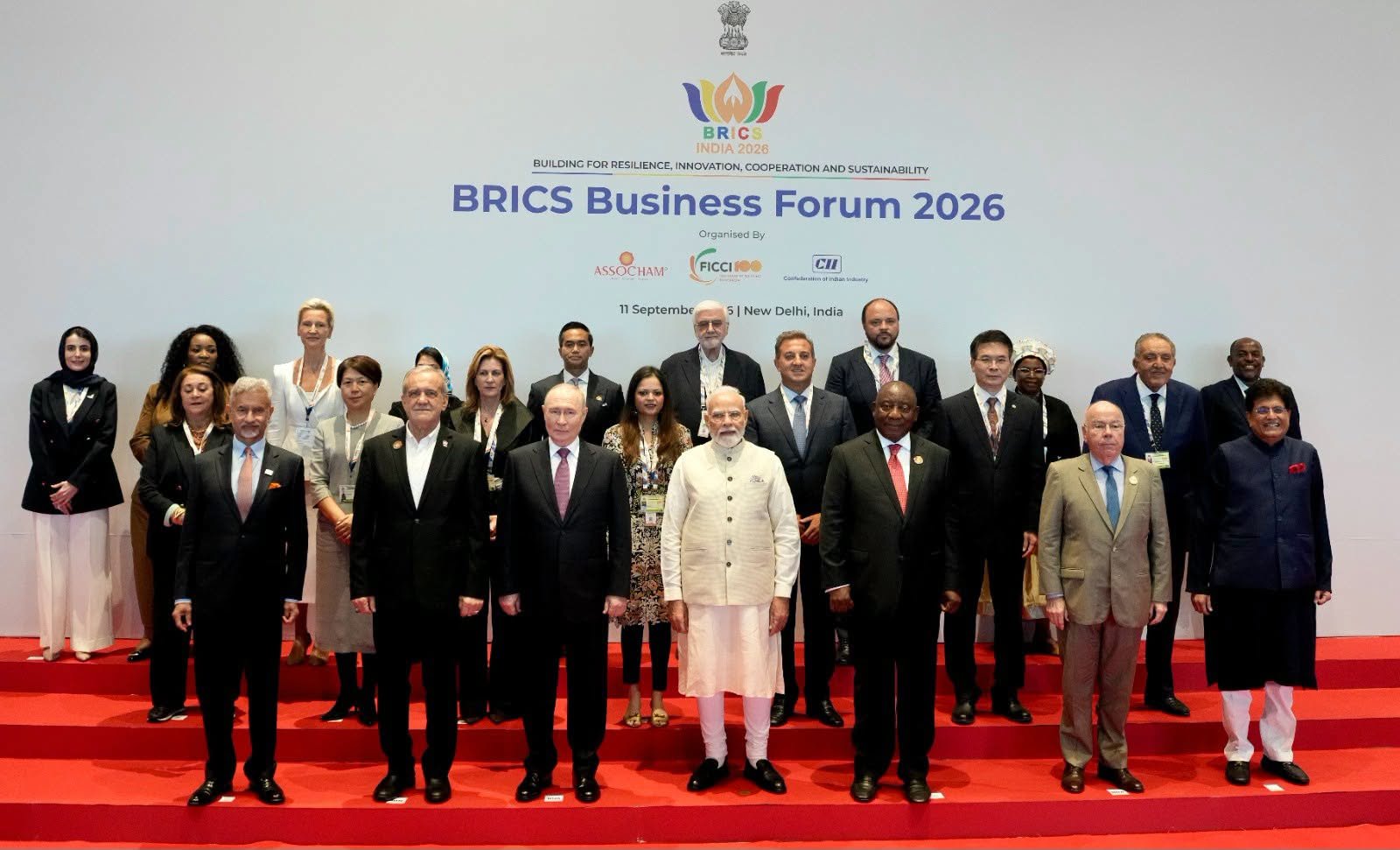
India hosts the 18th BRICS Summit against a backdrop of global conflicts, economic uncertainty and shifting geopolitical alliances, with the Modi-Xi engagement, Global South cooperation and reforms in global governance emerging as major areas of attention.
NEW DELHI: New Delhi has turned into the centre of global diplomacy as leaders of BRICS member countries and senior representatives from partner nations assemble in the Indian capital for the 18th BRICS Summit on September 12 and 13.
Hosted by Prime Minister Narendra Modi during India’s BRICS chairship, the summit comes at a time when the global economy and international security environment are undergoing major changes. Conflicts in Ukraine and West Asia, disruptions to energy and supply chains, trade tensions and debates over the future of global institutions have added greater significance to the meeting.
The summit brings together leaders of the expanded BRICS grouping, including Chinese President Xi Jinping, Russian President Vladimir Putin, Iranian President Masoud Pezeshkian and leaders from other member states. The participation of a wider group of emerging economies underlines the growing importance of BRICS as a platform for the Global South.
Xi Jinping’s India visit becomes a major summit story
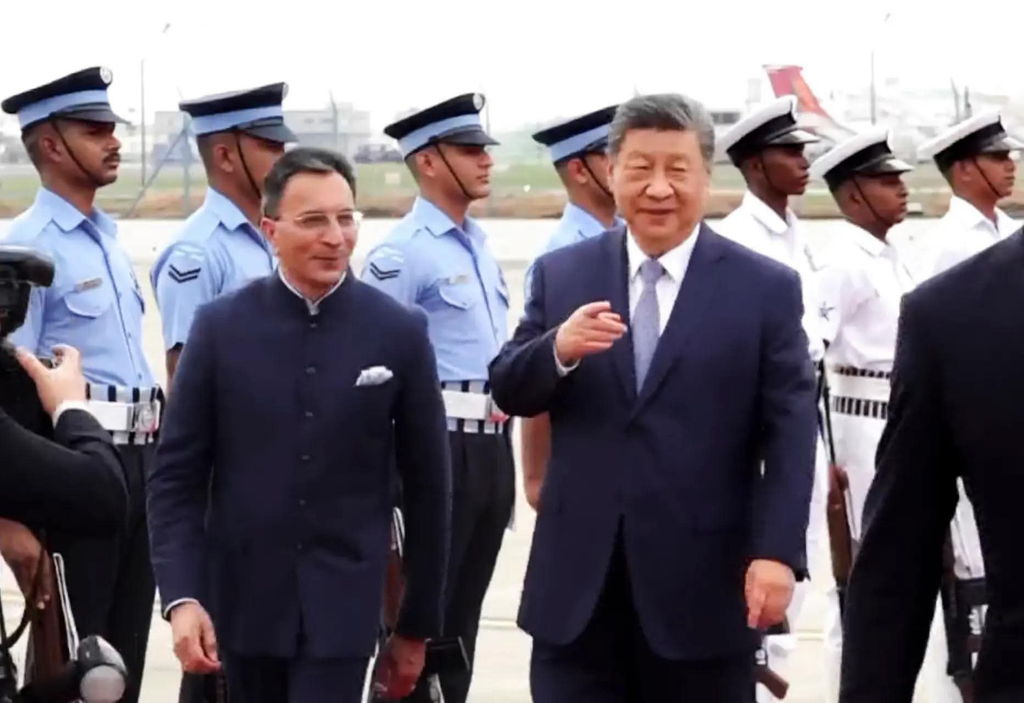
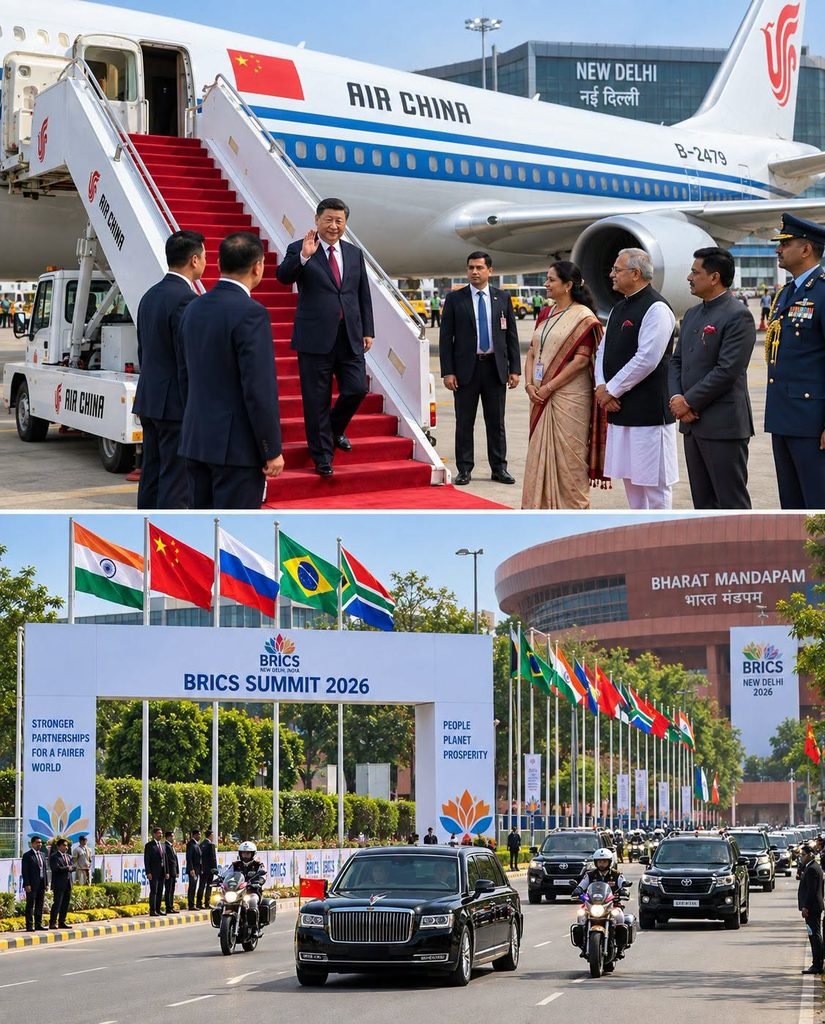
One of the biggest developments surrounding the summit is the arrival of Chinese President Xi Jinping in New Delhi.
Xi’s visit is his first to India in nearly seven years and comes at a particularly important stage in India-China relations. He is scheduled to meet Prime Minister Narendra Modi on the sidelines of the summit, making the bilateral engagement one of the most closely watched events of the gathering.
The meeting is significant because India-China relations have been gradually moving from a period of intense military tension towards cautious diplomatic engagement.
The 2020 border confrontation severely damaged bilateral ties. Since then, both countries have worked through diplomatic and military channels to reduce tensions along the Line of Actual Control. A later disengagement process created space for renewed political and economic engagement, although major differences remain.
For New Delhi, the message is clear: border peace and stability remain essential for a sustainable improvement in the broader relationship.
For Beijing, the summit provides an opportunity to strengthen high-level communication with India and explore a longer-term framework for managing differences.
The two leaders’ engagement is therefore being watched not simply as a bilateral meeting, but as an important indicator of the changing strategic environment in Asia.
India-China economic relationship also in focus
Economic relations are another important component of the India-China equation.
Despite political tensions, the two countries remain deeply connected through trade and supply chains. China has continued to be a major source of imports for India, particularly in industrial components and manufacturing-related sectors. At the same time, India has continued to scrutinise Chinese investment and technology involvement in sensitive areas from a national-security perspective.
The gradual restoration of direct air connectivity is another indication of the cautious thaw. China Southern Airlines has announced the resumption of regular flights between Guangzhou and New Delhi from September 21, adding to the broader restoration of India-China connectivity.
These developments suggest that the relationship is entering a phase in which both countries are attempting to separate areas of cooperation from areas of continuing strategic disagreement.
Modi’s diplomatic balancing act
The summit also highlights India’s distinctive foreign-policy approach.
Prime Minister Modi has been engaging with leaders representing different strategic blocs, including Russian President Vladimir Putin and Chinese President Xi Jinping, while India simultaneously maintains extensive relations with the United States, Europe, Japan, Australia and other partners.
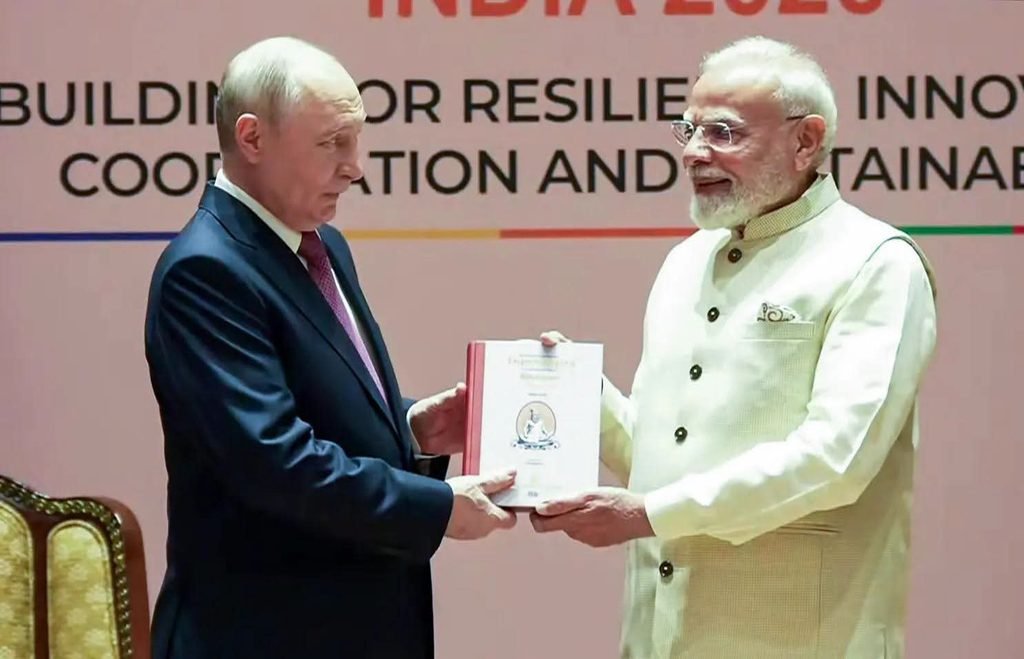
Modi and Putin held bilateral discussions ahead of the main BRICS summit, with defence, energy, trade and other areas of cooperation on the agenda.
The series of high-level meetings demonstrates India’s attempt to maintain strategic autonomy while expanding its diplomatic and economic partnerships across different parts of the world.
BRICS and the Global South
For India, the BRICS summit is also about giving greater political and economic weight to developing countries.
BRICS has expanded beyond its original five-member structure and now includes major economies and energy-producing countries from Asia, Africa and the Middle East. The enlarged grouping represents a substantial share of the world’s population and economy, giving it increasing influence in discussions on global governance and international finance.
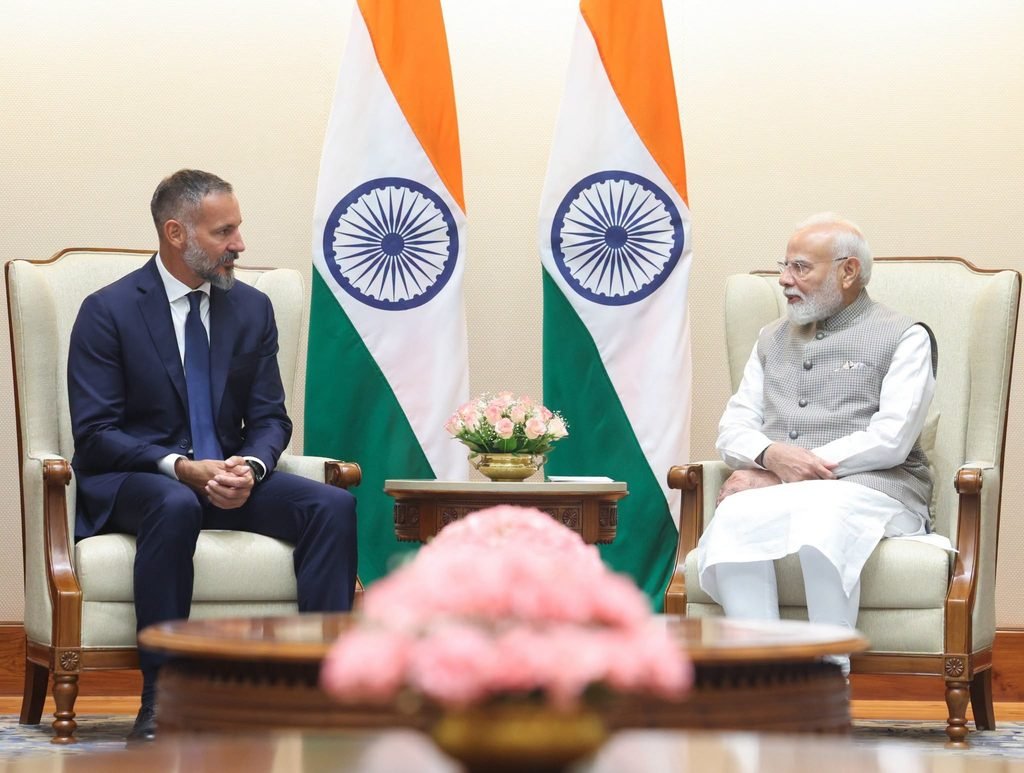
New Delhi is seeking greater cooperation among emerging economies on issues such as trade, investment, technology, energy security, food security and development.
The summit is also expected to address the need for more representative international institutions, including reforms in global governance structures.
Trade, supply chains and economic security
Economic cooperation is expected to remain at the heart of the BRICS discussions.
The disruption of global supply chains in recent years has highlighted the importance of reliable trade routes, diversified production networks and energy security.
India has been advocating greater cooperation to keep trade routes open, reduce unnecessary barriers and create more predictable conditions for international commerce. Discussions at the BRICS Business Forum have already focused on secure sea lanes, open supply routes and reducing trade barriers.
For BRICS economies, the challenge is to convert political cooperation into practical economic partnerships involving businesses, investors and technology institutions.
Technology and innovation take centre stage
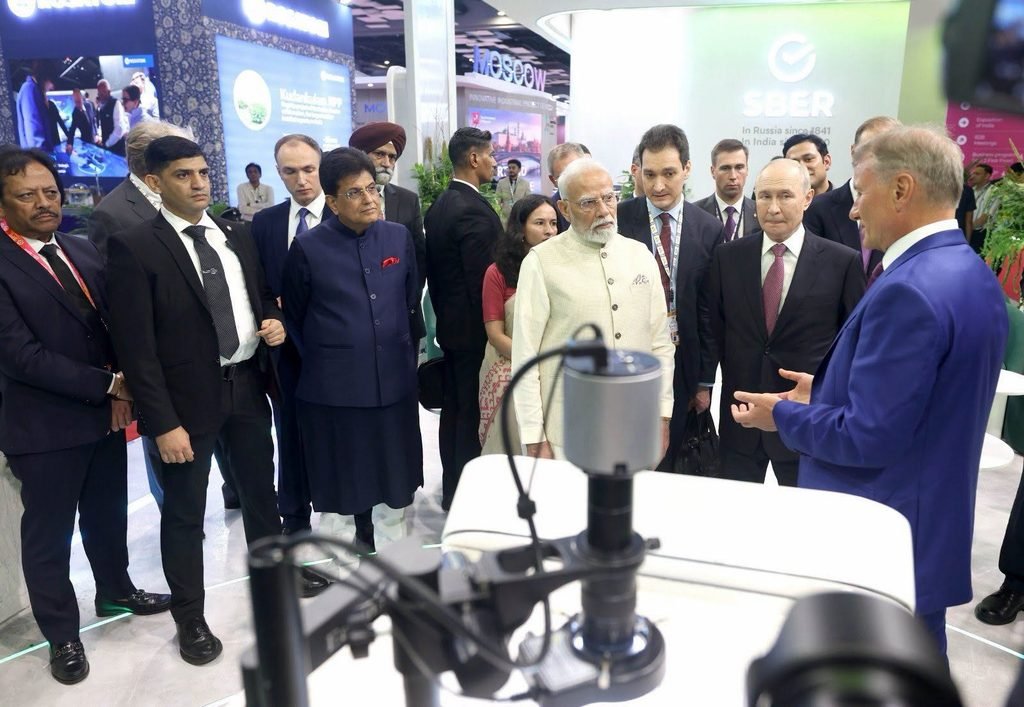
The summit is also showcasing India’s growing emphasis on technology and innovation.
A major deep-tech exposition being held alongside the summit is displaying 37 innovations, including artificial-intelligence-based healthcare technology, floating solar systems, marine robotics, advanced electric powertrain technology and AI-supported maternal and fetal monitoring.
The initiative reflects India’s effort to connect BRICS cooperation with research, startups, education and emerging technologies rather than limiting the grouping’s agenda to traditional diplomacy and trade.
Wars and geopolitical tensions add urgency
The New Delhi summit is taking place against a complicated international backdrop.
The continuing Russia-Ukraine war and conflicts in West Asia have affected energy markets, transportation routes and global trade. Differences among major powers have also made consensus on international security issues increasingly difficult.
This creates a difficult balancing act for BRICS.
Member countries do not always share identical positions on international conflicts or relations with Western powers. India’s approach has generally emphasised dialogue, diplomacy and peaceful resolution of disputes.
The challenge for New Delhi will be to build consensus without allowing major geopolitical disagreements to overshadow the economic and developmental objectives of the grouping.
What the Modi-Xi meeting could signal
The Modi-Xi meeting is likely to remain one of the defining moments of the summit.
Both sides have an interest in preventing renewed border tensions and maintaining communication. At the same time, unresolved questions involving the border, trade imbalance, market access and strategic competition cannot simply disappear.
Beijing has signalled that it wants to approach bilateral relations from a long-term strategic perspective and strengthen cooperation while managing differences.
For India, the test will be whether improved political communication can translate into measurable progress on the ground.
Even without a dramatic announcement, a constructive meeting could itself carry significance by demonstrating that the two Asian powers are prepared to maintain direct dialogue.
India’s larger BRICS message
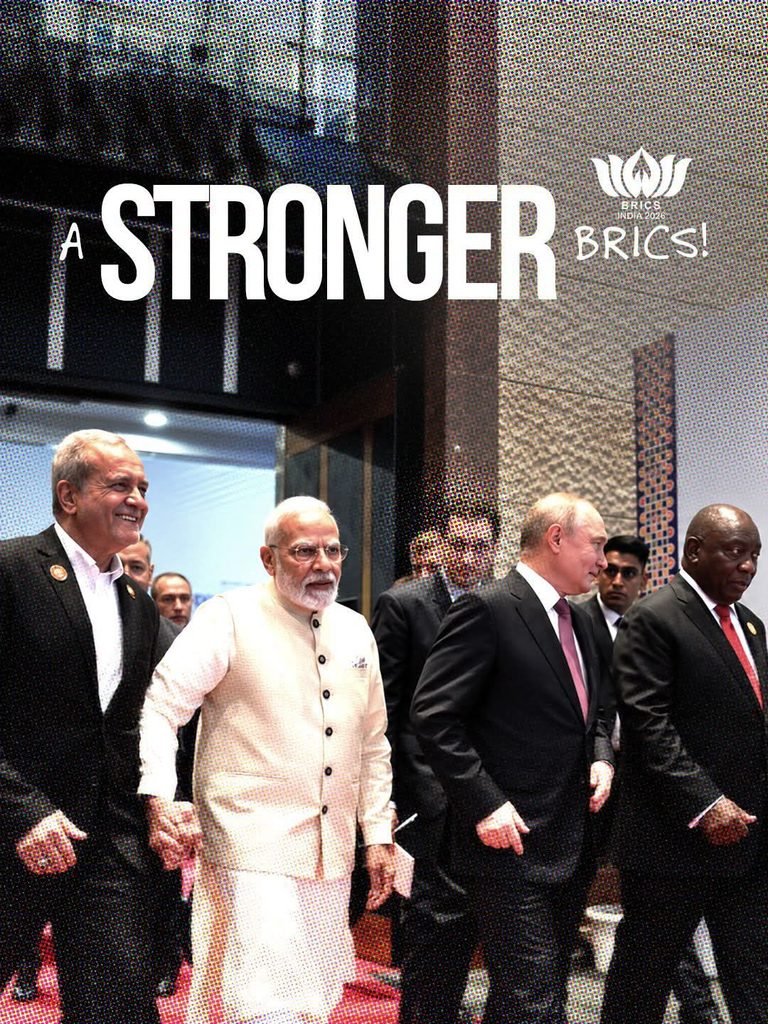
India’s message at the summit extends beyond its relationship with China.
New Delhi wants BRICS to become a practical platform for economic growth, innovation, development and cooperation among emerging economies while supporting a more representative international system.
The summit also allows India to demonstrate that it can engage simultaneously with countries holding very different political and strategic positions.
That diplomatic flexibility is becoming increasingly important as global power centres multiply and traditional alliances are being tested by new economic and security realities.
New Delhi’s moment on the global stage
The 18th BRICS Summit therefore represents much more than a meeting of heads of government.
It is a test of whether a diverse group of emerging powers can find common ground on trade, technology, development, energy and global governance while navigating major disagreements on international security.
For India, the summit is an opportunity to demonstrate leadership, strengthen its position within the Global South and promote its vision of a more balanced international order.
For China, Xi Jinping’s return to India opens another channel for high-level engagement with New Delhi.
For Russia and other BRICS members, the summit provides an important forum for strengthening economic and political coordination.
And for the wider world, the New Delhi meeting offers a close look at how BRICS intends to shape its role in an international system that is becoming increasingly multipolar.
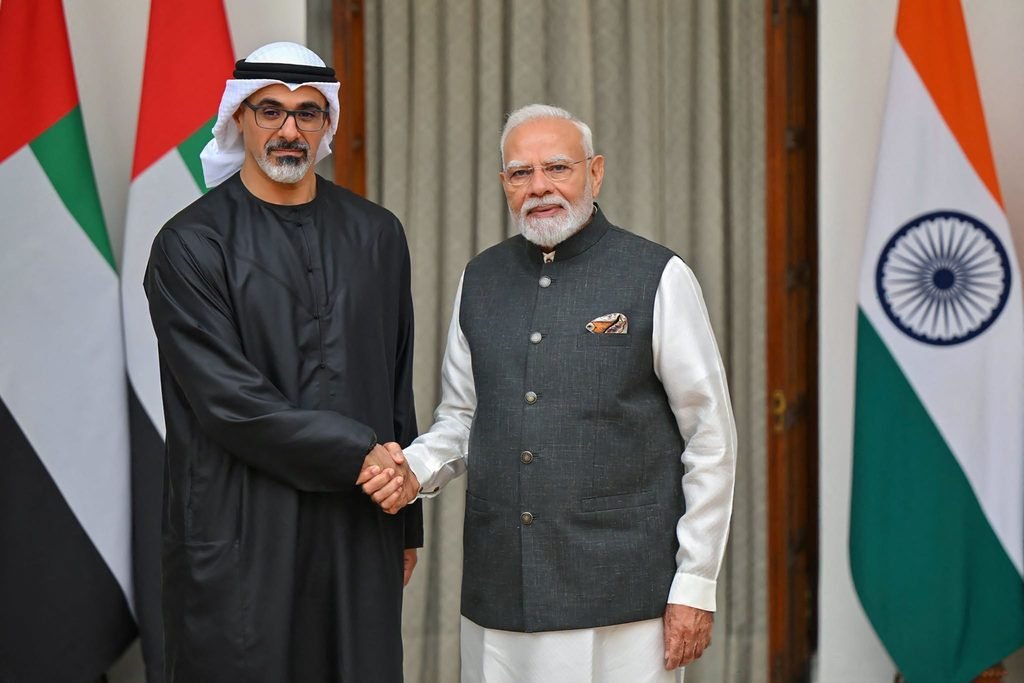
With global leaders gathered in the Indian capital, the central question is no longer simply what BRICS represents today—but how much influence the expanded grouping can exercise in shaping tomorrow’s global economic and political order.
Global Times News | INDIA ; GTNS
SEPTEMBER 12, 2026