
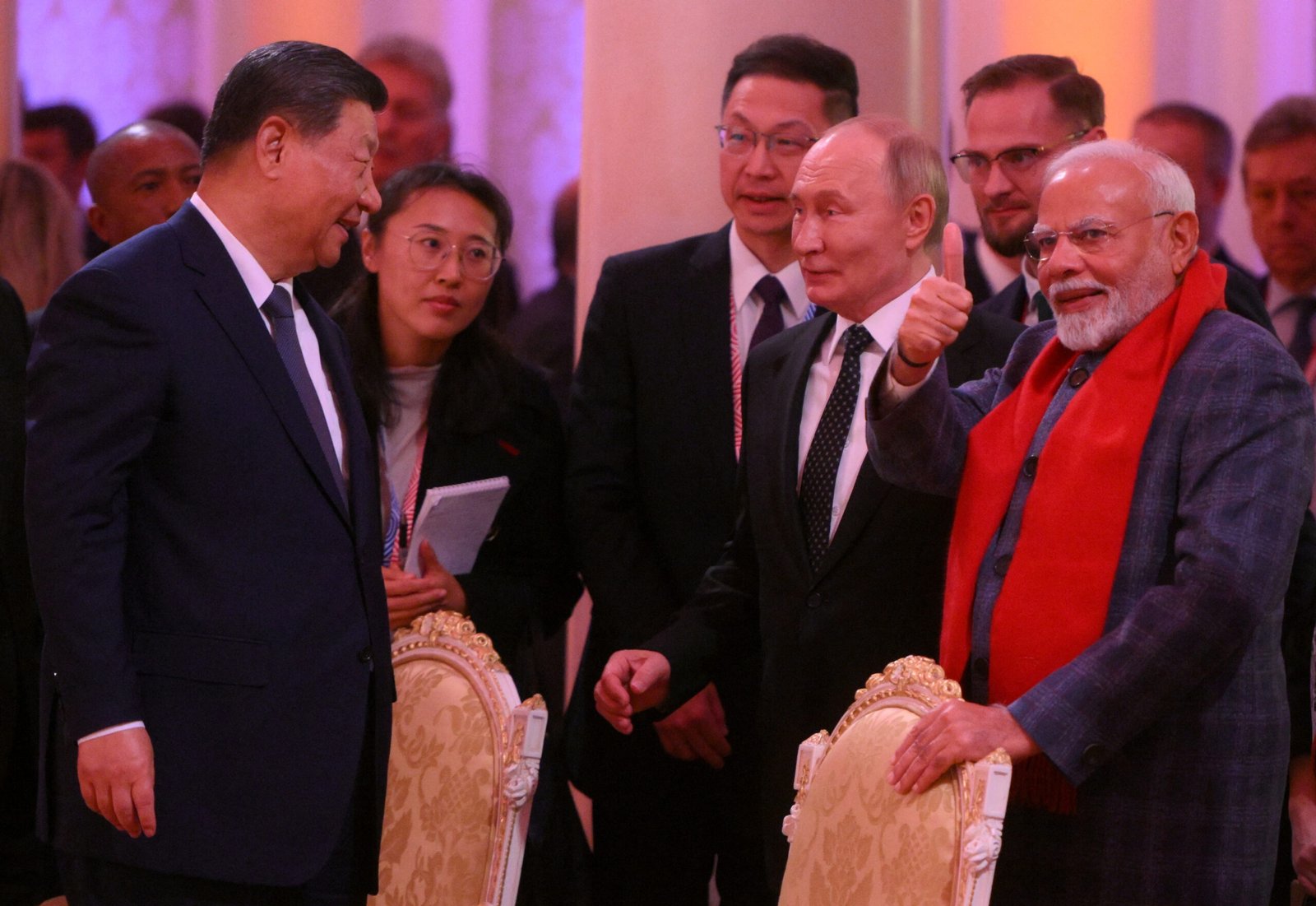
NEW DELHI — GTNS, SEPTEMBER 10, 2026 — As world leaders gather in New Delhi for the 18th BRICS Summit, global attention is increasingly focused on one major economic question: can the BRICS countries reduce their dependence on the US dollar?
China and Russia have been among the strongest advocates of expanding the use of national currencies in bilateral trade and developing alternative mechanisms for cross-border payments. Their efforts have intensified the wider debate over the future role of the dollar in international commerce.
The issue is expected to remain an important part of the broader BRICS economic conversation as member countries seek to strengthen financial cooperation and reduce vulnerabilities arising from excessive dependence on any single currency or payment system.
However, the changing landscape does not mean that the US dollar has suddenly lost its dominant position. The dollar remains deeply embedded in global trade, financial markets, central-bank reserves and international payments.
For India, the question is more complex.
New Delhi has consistently pursued strategic autonomy, maintaining economic and diplomatic relationships with the United States, Russia, China and other major powers while protecting its own national interests.
India has also explored greater use of the rupee in international trade, while supporting stronger financial and economic cooperation within BRICS. At the same time, the dollar continues to play an important role in India’s international trade and financial system.
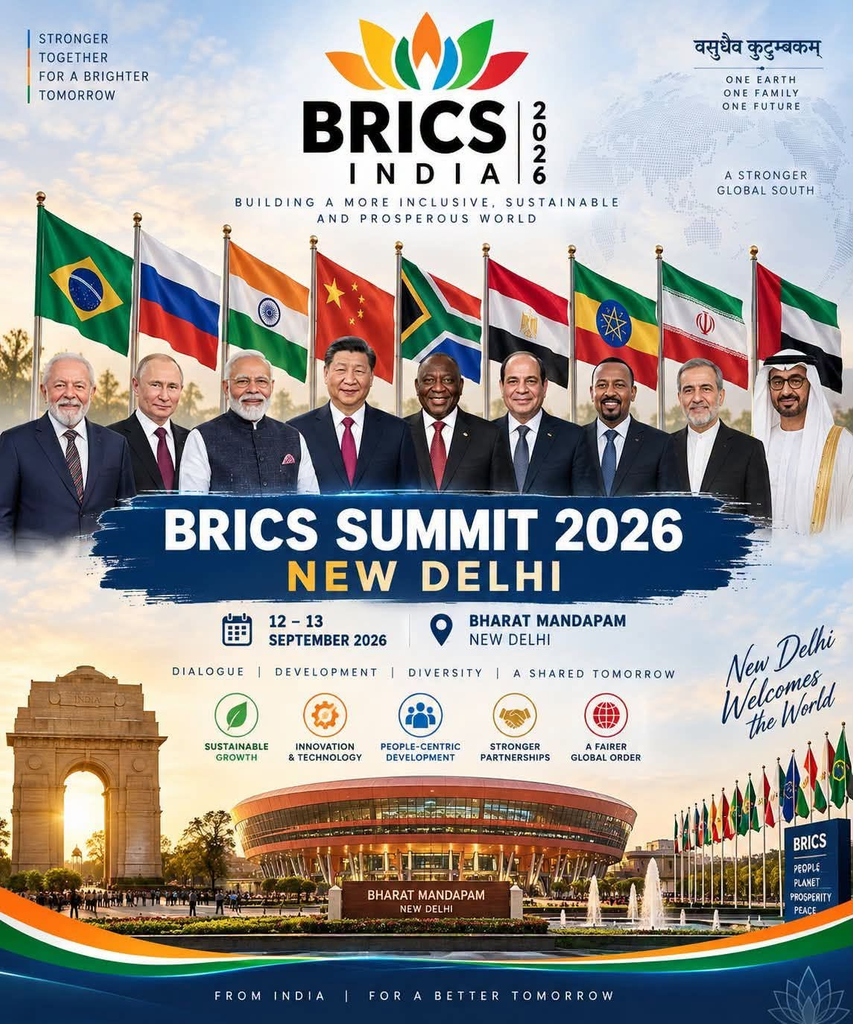
The BRICS summit therefore presents India with an opportunity to push for a more diversified global financial architecture without necessarily committing itself to a complete break with the existing dollar-based system.
The larger debate is not simply about replacing the dollar. It is increasingly about creating more options — greater use of national currencies, improved cross-border payment systems and stronger financial institutions capable of supporting emerging economies.
With BRICS representing a significant share of the global population and economy, decisions and discussions emerging from New Delhi could influence the direction of international economic cooperation.
The central question for the summit is therefore not whether the dollar will disappear, but whether the global financial system is gradually moving towards a more multipolar currency and payment structure.
As China, Russia and other BRICS members push for greater financial diversification, the world will be watching how India balances its relationships with competing economic powers while advancing its own vision of strategic and economic autonomy.