
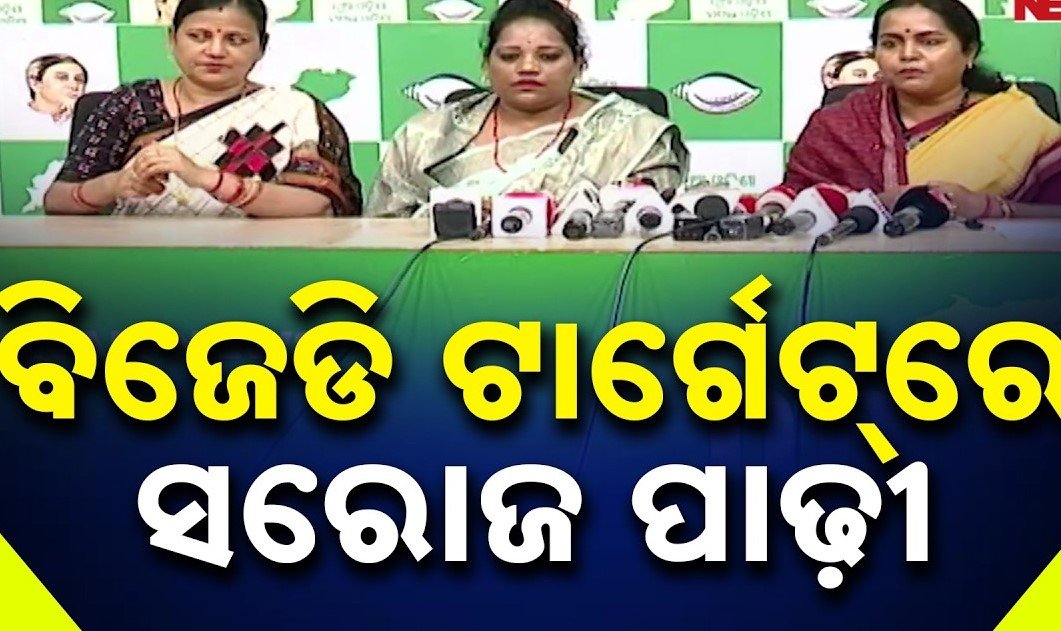
BJD leader backs the Sarpanch and questions the alleged role of Aska MLA Saroj Padhi’s son, turning a local Panchayat dispute into a wider political controversy
GTNS, SEPTEMBER 14, 2026, ASKA: A controversy has erupted over an alleged incident during a Panchayat Samiti meeting in Aska, with BJD leader Sulata Deo coming out in support of a Sarpanch and demanding action against BJP MLA Saroj Kumar Padhi and his son.
The dispute has raised questions over the alleged presence and role of the MLA’s son during an official Panchayat Samiti meeting and whether he had any authorised role in the proceedings.
Sulata Deo Supports Sarpanch
BJD leader Sulata Deo has extended her support to the Sarpanch involved in the controversy and demanded action against MLA Saroj Padhi and his son.
Deo’s intervention has given the issue a wider political dimension, with the opposition questioning the conduct of ruling-party representatives at the grassroots level.
Why Was the MLA’s Son Present?
The central question emerging from the controversy is the role of the MLA’s son at the Panchayat Samiti meeting.
A Panchayat Samiti meeting is an institutional forum involving elected representatives and officials for discussion of local development, administration and public issues. The reported presence of a political leader’s family member has therefore become a subject of political and administrative scrutiny.
The circumstances under which the MLA’s son attended the meeting, and what he allegedly did during the proceedings, need to be established through an official account.
Allegations Need Official Verification
The political allegations surrounding the incident have not, by themselves, established wrongdoing. The exact sequence of events, the role of the individuals involved and whether any rules were violated should be determined through the appropriate administrative process.
The concerned Sarpanch’s account, the Panchayat Samiti authorities and any available official records or complaints could be important in establishing the facts.
Questions Facing the Administration
The controversy has raised several questions:
Was the MLA’s son officially authorised to attend the meeting?
If he was present, in what capacity did he participate?
What exactly happened during the Panchayat Samiti proceedings?
Was there an argument or confrontation involving the Sarpanch?
Was any written complaint submitted to the administration?
What action has the concerned authority taken?
What is MLA Saroj Padhi’s response to the allegations?
Panchayati Raj Institutions Under Focus
The controversy has also brought attention to the functioning of Panchayati Raj institutions.
Panchayat Samiti meetings are important platforms for discussing local development, public services and problems affecting rural communities. The participation of elected representatives and officials is governed by established procedures.
Any allegation that an unauthorised person influenced or disrupted such proceedings can therefore become a matter of institutional concern.
BJP-BJD Political Dimension
The episode comes amid continuing political competition between the BJP and BJD in Odisha.
For the BJD, the incident provides an opportunity to question the conduct of ruling-party representatives and their associates at the grassroots level. Sulata Deo’s demand for action has consequently turned the local dispute into a larger political issue.
The BJP side, meanwhile, is expected to clarify the circumstances surrounding the MLA’s son’s presence and respond to the allegations.
What Happens Next?
The immediate focus will be on whether the administration conducts any inquiry into the incident and whether the allegations made by the opposition are formally examined.
A clear statement from MLA Saroj Padhi, the concerned Panchayat Samiti authorities and the district administration could help settle questions surrounding the meeting.
Until such clarification is available, the allegations should remain treated as allegations rather than established findings.
The controversy has nevertheless placed a spotlight on a larger issue: how elected local institutions should function without unnecessary political or outside interference, and how complaints involving elected representatives should be handled transparently.