
SP chief signals that opposition unity must survive the seat-sharing battle as Congress seeks a stronger role
GTNS | October 4, 2026
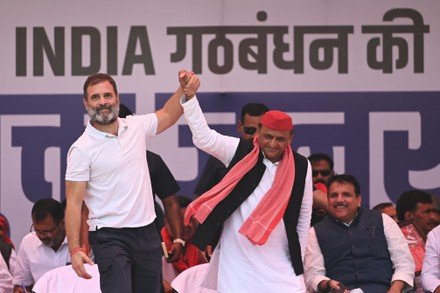
LUCKNOW: The political conversation around the proposed opposition alliance in Uttar Pradesh is moving into a sensitive phase, with seat-sharing talks increasingly becoming a test of coordination between the Samajwadi Party and Congress ahead of the 2027 Assembly elections.
Amid reports of differences over the distribution of constituencies, SP president Akhilesh Yadav has shifted the public focus from the number of seats to the larger electoral objective. In a message posted on X, he argued that the alliance should concentrate on securing a collective victory rather than allowing individual seat claims to dominate the partnership.
The message comes at a time when the two parties are yet to settle a final seat-sharing formula. Congress, meanwhile, has indicated that it wants a meaningful and balanced position within the alliance, with its Uttar Pradesh in-charge Rajendra Pal Gautam stressing the party’s demand for “equal share and equal respect.”
The real challenge is beyond the numbers
For the opposition camp, the negotiations involve more than deciding which party contests a particular constituency. The larger issue is whether the alliance can establish a common political strategy before the campaign gathers pace.
Akhilesh has linked the proposed joint effort to issues including democracy, the Constitution, reservation and social harmony. His intervention appears aimed at preventing seat negotiations from becoming a larger public dispute between alliance partners.
The political backdrop also makes the negotiations significant. In the 2024 Lok Sabha election in Uttar Pradesh, the Samajwadi Party won 37 seats while Congress secured six. The current Uttar Pradesh Assembly has 101 SP MLAs and two from Congress, according to the latest reported figures.
Congress reshuffle adds another layer
Congress has also recently reorganised its Uttar Pradesh leadership, appointing Aradhana Mishra ‘Mona’ as state unit president and Imran Masood as working president. The changes come as parties prepare for a high-stakes Assembly contest in India’s most populous state.
The immediate political test, therefore, is whether the two parties can turn the language of unity into an agreed electoral formula.
For Akhilesh Yadav, the message is clear: the alliance cannot afford to lose sight of the larger contest while negotiating its internal share. For Congress, however, the question of representation and political space remains equally important.
The coming rounds of negotiations could determine whether the proposed partnership enters the 2027 campaign as a coordinated opposition platform—or remains vulnerable to internal competition before the real electoral battle begins.