

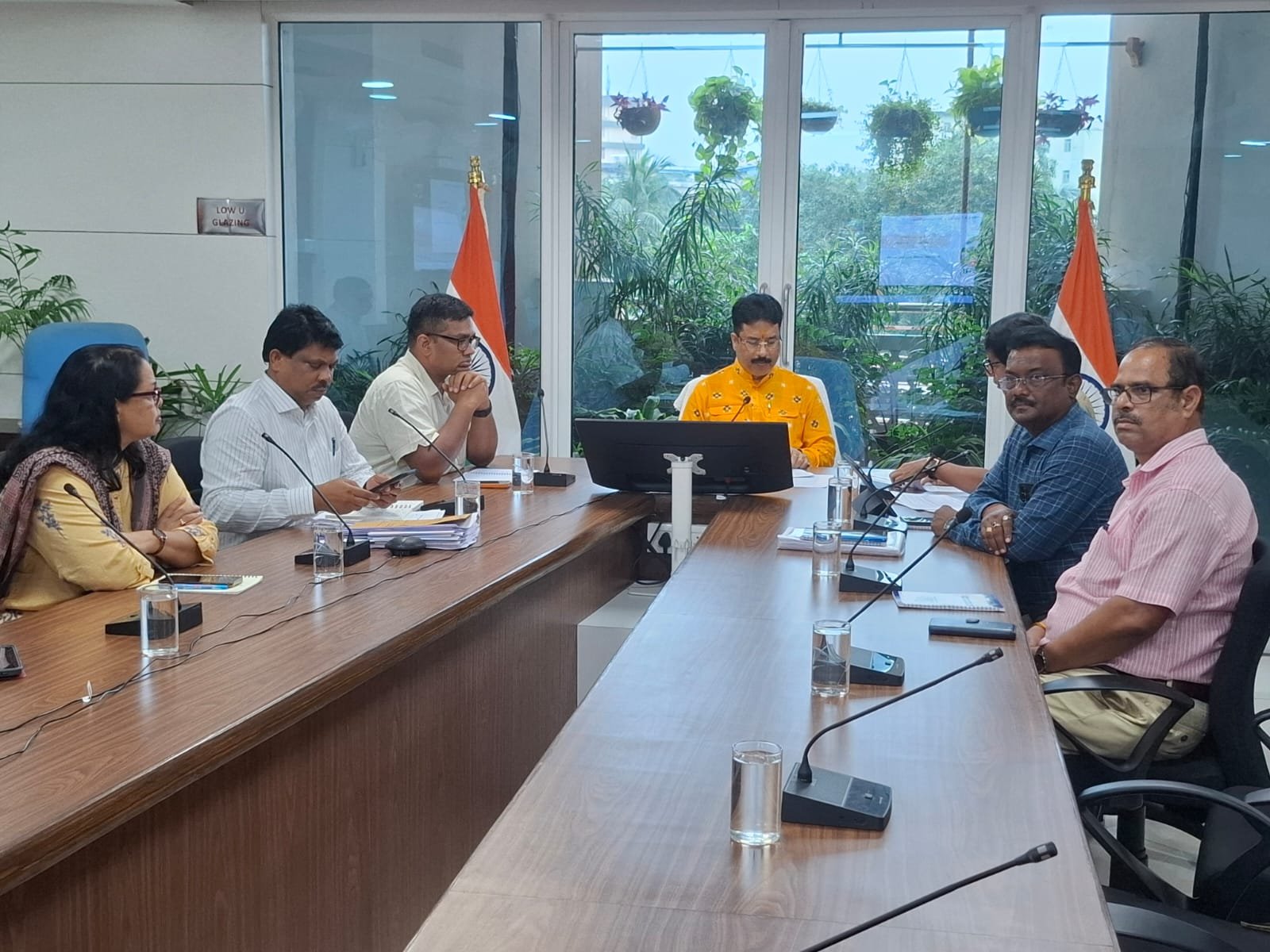
One crore lamps, community clean-ups and SafaiMitra welfare initiatives planned across the State
BHUBANESWAR ,GTNS , SEPTEMBER 10, 2026: Odisha is preparing for a massive cleanliness and sanitation campaign that will bring government agencies, urban local bodies, students, community groups and citizens together as part of Swachhata Hi Seva (SHS) 2026, scheduled from September 17 to October 2.
This year’s campaign is expected to go beyond routine cleaning activities, with the State focusing on public participation, waste management, sanitation, sustainable urban living and the safety and dignity of sanitation workers.
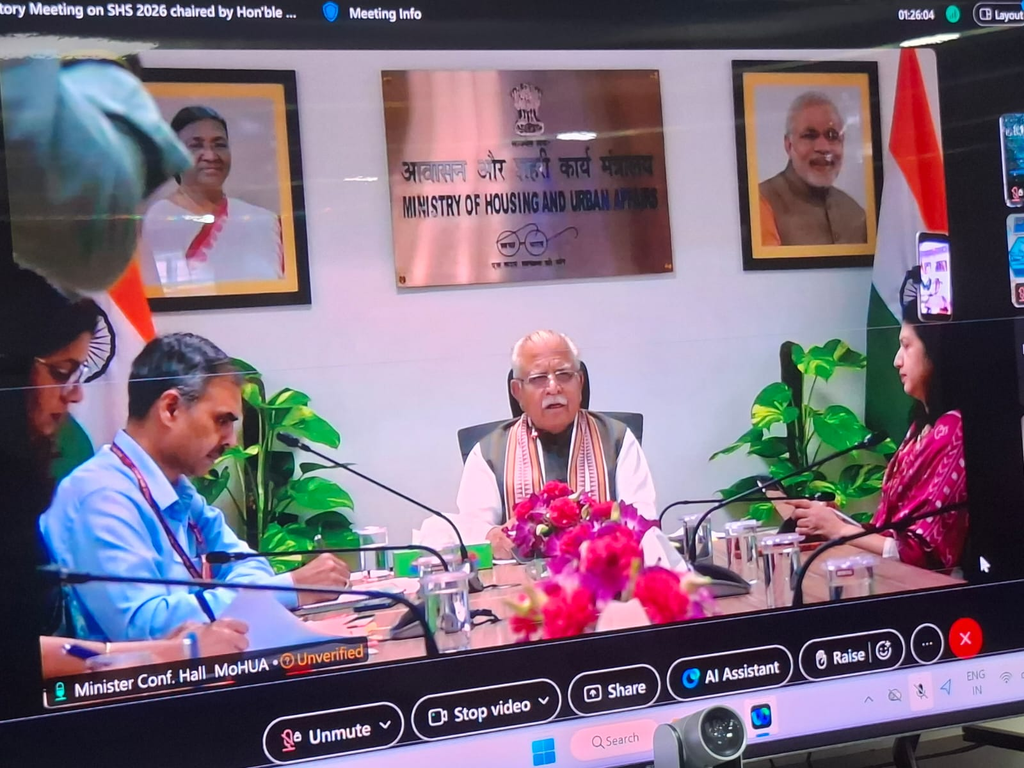
The preparations were reviewed during a virtual meeting with the Union Ministry of Housing and Urban Affairs (MoHUA). Odisha Housing and Urban Development Minister Dr. Krushna Chandra Mahapatra, Additional Chief Secretary Usha Padhee, Director of Municipal Administration Arindam Dakua, Special Secretary-cum-Mission Director, SBM (Urban), Binay Kumar Dash, and other senior officials joined the meeting.
Following the meeting, the Housing and Urban Development Department issued directions to Municipal Commissioners and Executive Officers across Urban Local Bodies to ensure that activities are planned, coordinated and completed within the campaign period.
The campaign will follow the theme “Swachhata Mein Sahbhag, Swachh Bharat, Viksit Bharat”, placing people’s participation at the centre of the programme.
Minister Dr. Mahapatra said Odisha was ready with its preparations and would implement the guidance received from the Centre effectively.
Among the State’s major plans is an initiative to light one crore lamps, with efforts to involve households across districts.
The campaign will also extend beyond urban areas. In rural communities, sanitation and cleanliness activities will be carried out with local participation. Water-body-related development work will be taken up in rural areas through the Panchayati Raj Department, while the Housing and Urban Development Department will handle such interventions in urban areas.
The State Government plans to capture the condition of selected locations before and after the campaign through video documentation, providing a visual record of the changes achieved.
A major part of the campaign will target Cleanliness Target Units and garbage vulnerable points. Urban bodies have been asked to clean, beautify and maintain these locations so that they do not return to their earlier condition after the campaign ends.
Students and young people will also have a prominent role. Swachhata Gyan Yatras and Swachhata Samvads will be organised to encourage young citizens to understand the importance of responsible waste management and cleanliness.
For sanitation workers, the campaign will include SafaiMitra Suraksha Evam Samman Shivirs, focusing on health check-ups and connecting workers with eligible welfare schemes. The initiative is intended to place greater emphasis on the health, safety and dignity of those involved in keeping cities clean.
Another major focus will be Jan Bhagidari, with zero-waste sports activities and environment-friendly celebrations planned to demonstrate how public events can reduce waste.
The campaign will also promote the idea of “Swachhata Se Samriddhi”, encouraging communities to turn waste into useful products, creative works and potential economic opportunities under a circular-economy approach.
The biggest public mobilisation is expected on October 1, when the State will observe “Ek Din, Ek Ghanta, Ek Saath” Shramdaan. Citizens, public representatives, officials, institutions and community organisations will be encouraged to spend time together in cleanliness activities.
The fortnight-long programme will conclude on October 2 with Swachh Bharat Diwas. Special meetings of Urban Local Body councils will also be held to review sanitation initiatives and renew commitments towards maintaining cleaner and healthier urban spaces.
For Odisha, the campaign represents an attempt to make cleanliness more than a temporary drive. By combining public participation with waste management, sanitation-worker welfare and continued maintenance, the State is seeking to build a culture in which clean surroundings become a shared responsibility rather than only a government duty.