

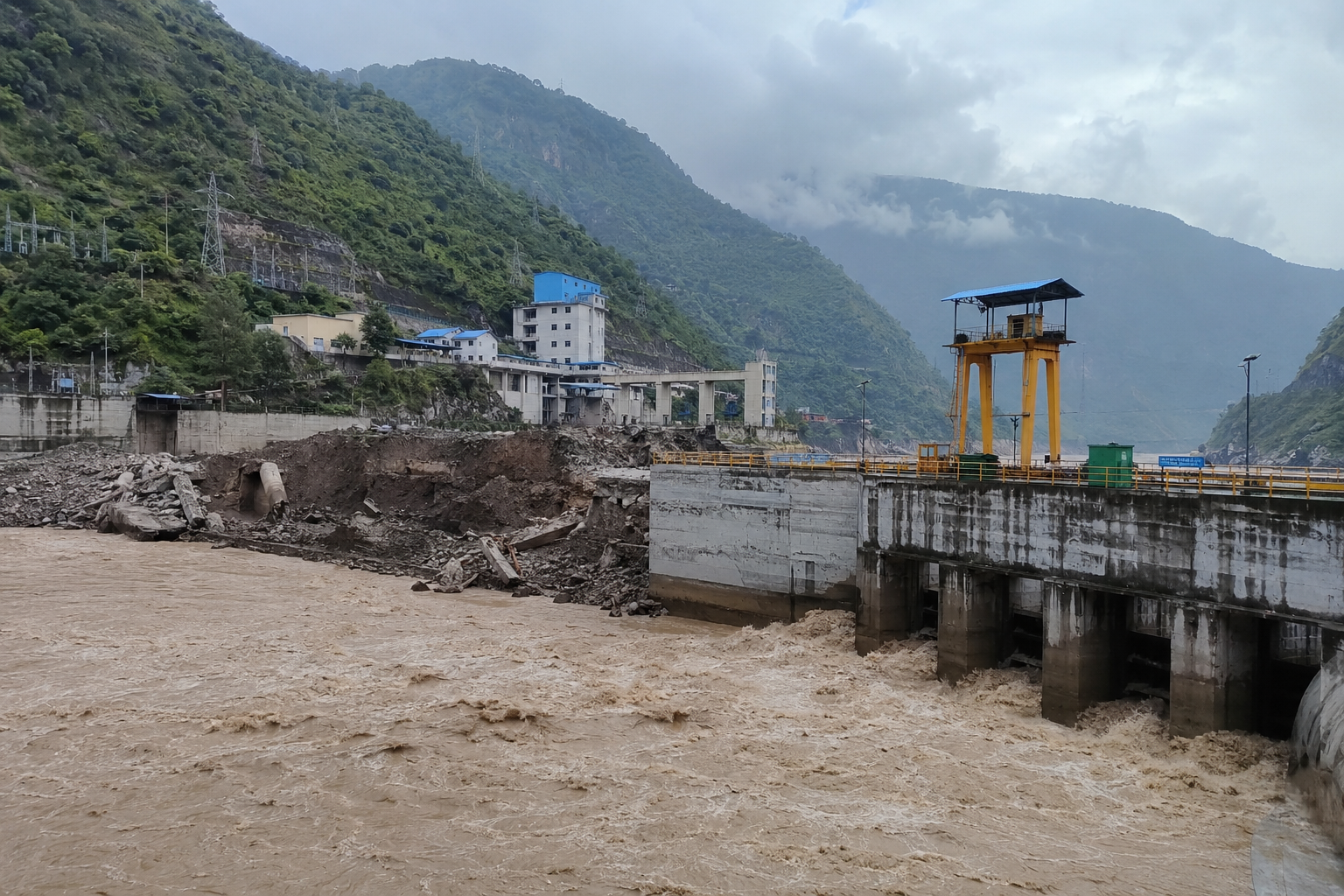
The floods have reportedly knocked out around 550 MW of generation capacity, forcing Nepal to seek additional electricity from India to meet domestic demand. Nepal has requested advance approvals for increased power imports from India beginning in September.
The crisis has exposed the vulnerability of Nepal’s electricity system, which depends heavily on hydropower. Damage to power stations, transmission infrastructure and access routes has complicated restoration work in several affected areas.
India is considering increased electricity supplies to Nepal through existing cross-border power-trading arrangements. Indian officials have indicated that the additional requirement can be accommodated without creating a significant impact on domestic electricity availability.
Meanwhile, rescue and restoration operations continue at flood-hit hydropower projects. Indian specialist teams are also assisting Nepal in efforts to reach workers believed to be trapped inside damaged hydropower tunnels.
The disaster has raised fresh concerns about the resilience of hydropower infrastructure in the Himalayan region, particularly as extreme weather and glacial-related hazards pose increasing risks to energy projects.
For Nepal, restoring damaged generation capacity and securing reliable electricity imports from India have emerged as immediate priorities while reconstruction of the affected hydropower infrastructure gets underway.