

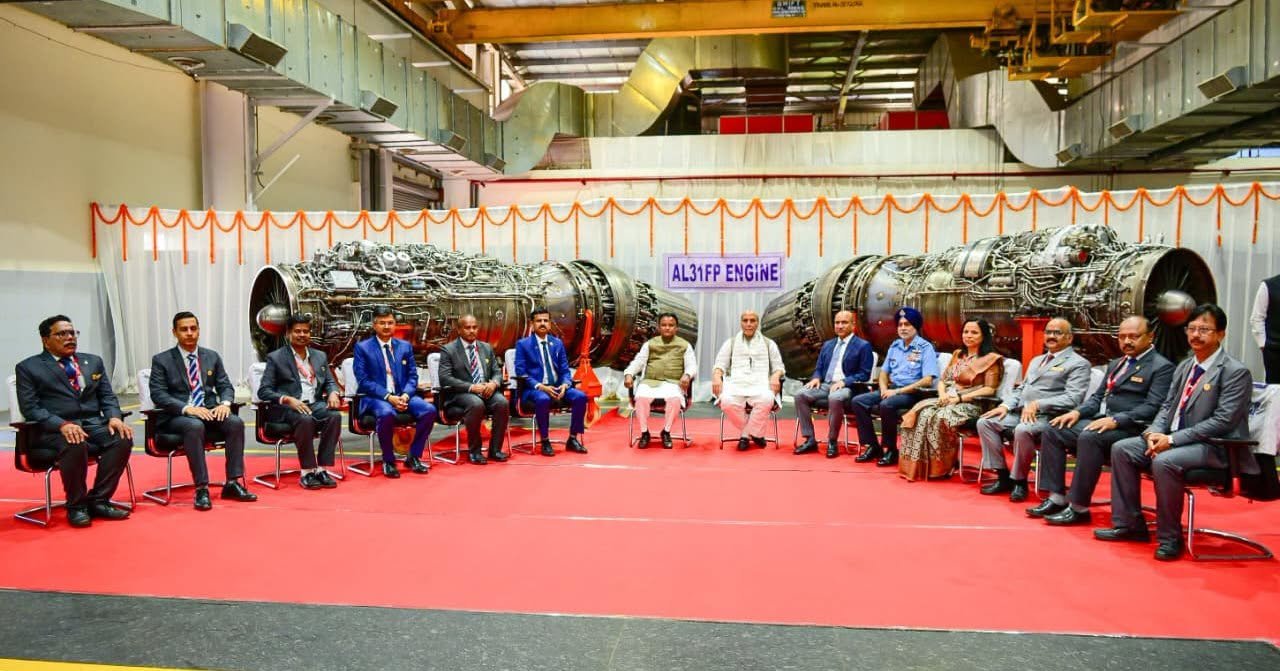
Rajnath Singh and CM Mohan Charan Majhi witness landmark milestone as Sunabeda facility delivers 2,000th aero-engine
GTNS | ODISHA
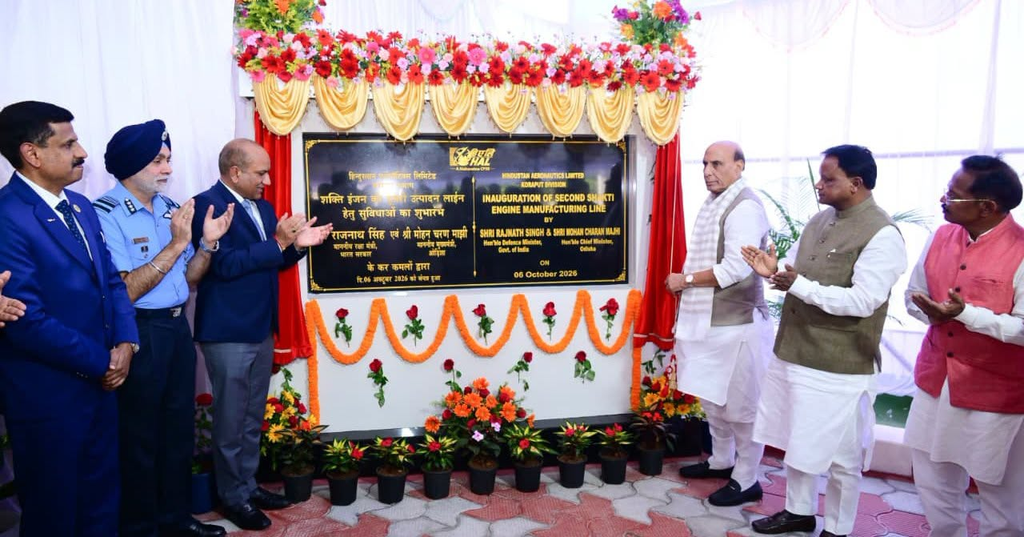
OCTOBER 6, 2026 , KORAPUT: Hindustan Aeronautics Limited’s (HAL) Koraput division at Sunabeda marked a major milestone in India’s defence manufacturing journey on Tuesday with the delivery of its 2,000th aero-engine and the inauguration of a second production line for Shakti helicopter engines.
Union Defence Minister Rajnath Singh and Odisha Chief Minister Mohan Charan Majhi attended the programme at the HAL facility, highlighting the strategic importance of Koraput in India’s growing indigenous aerospace and defence ecosystem.
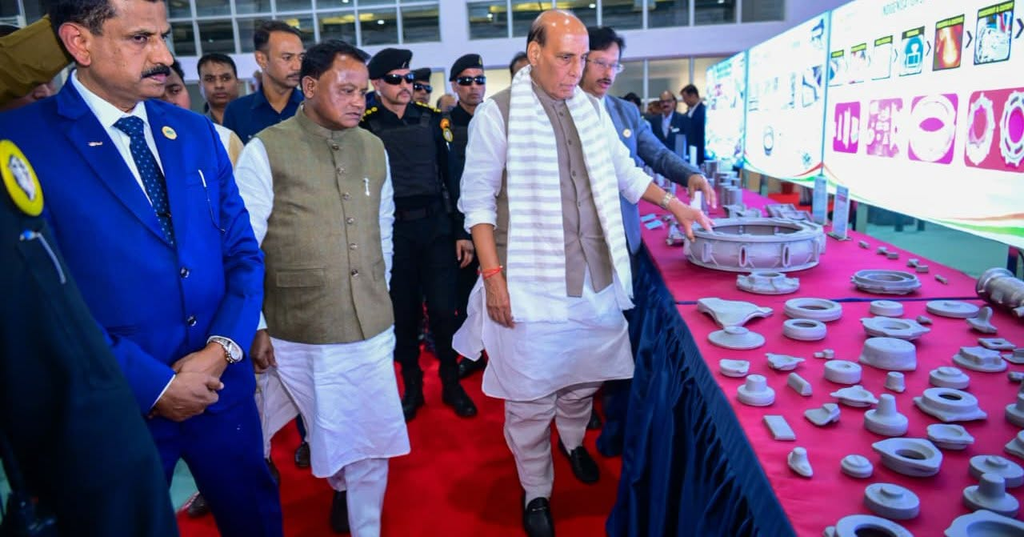
The new Shakti production line involves an investment of ₹218 crore and is planned to achieve a production capacity of up to 100 engines annually. The additional capacity is intended to meet the growing requirements of indigenous helicopter platforms, including the Dhruv Advanced Light Helicopter (ALH) and Prachand Light Combat Helicopter (LCH). The facility is scheduled to be fully established by 2028-29.
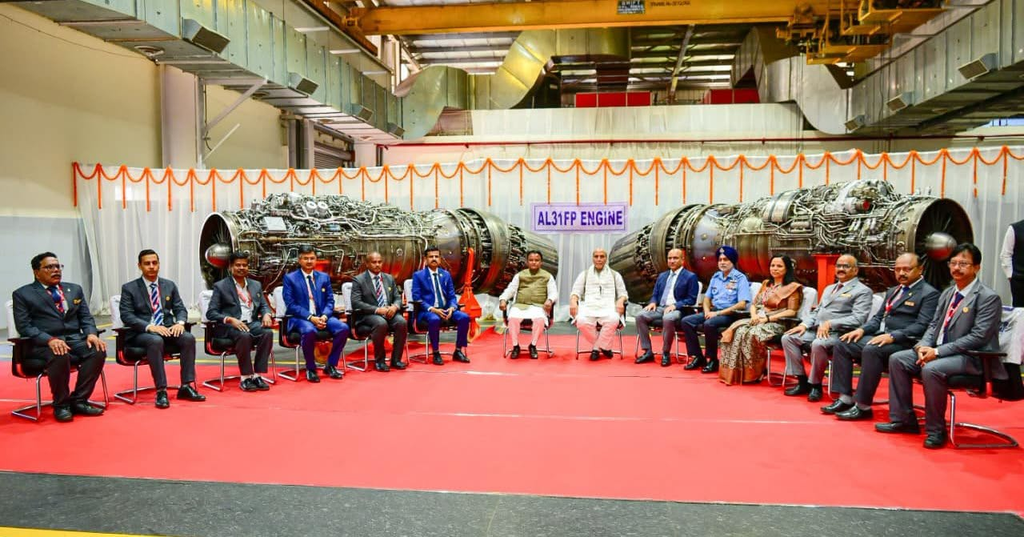
The development comes as HAL also moves to increase its annual production capacity of AL-31FP engines used in the Su-30MKI fleet. According to the Defence Ministry, the capacity is being raised from 30 to 50 engines per year through an investment of ₹335 crore.
Koraput’s six-decade defence legacy
The Sunabeda facility has been part of India’s aerospace and defence manufacturing story since 1964. The delivery of the 2,000th engine represents decades of engineering experience and contribution to the operational requirements of the Armed Forces.
Addressing the gathering, Rajnath Singh underlined the strategic importance of developing indigenous capability across the entire aero-engine chain—from design and development to testing, manufacturing and maintenance.
He stressed that mastery of propulsion technology is essential if India is to achieve deeper self-reliance in aerospace and defence, particularly as the country advances major indigenous aviation programmes including the Advanced Medium Combat Aircraft (AMCA).
Odisha’s emerging defence role
CM Mohan Charan Majhi praised the technical and engineering workforce at HAL Koraput and highlighted Odisha’s contribution to national defence preparedness and the Aatmanirbhar Bharat vision. The Odisha government has also been positioning the state to attract more defence-related manufacturing and industrial investment.
For Odisha, the expansion of HAL’s manufacturing capabilities at Sunabeda carries significance beyond the Koraput region. It strengthens the state’s position within India’s strategic manufacturing network and creates scope for a wider ecosystem of engineering, technology, maintenance and allied industries.
The Union Defence Ministry has said the government’s broader objective is to move India from being primarily a buyer of defence equipment towards becoming a designer, developer and manufacturer of advanced defence systems. Indigenous propulsion capability is regarded as one of the most difficult but strategically important components of that transition.
The Sunabeda milestone therefore combines two significant messages: HAL Koraput’s six decades of service and India’s next phase of indigenous aerospace manufacturing.
GTNS | KORAPUT