
The Uniform Civil Code debate is shifting from a long-running constitutional discussion into a state-by-state political test, putting the NDA’s alliance management and the Opposition’s strategy under renewed pressure
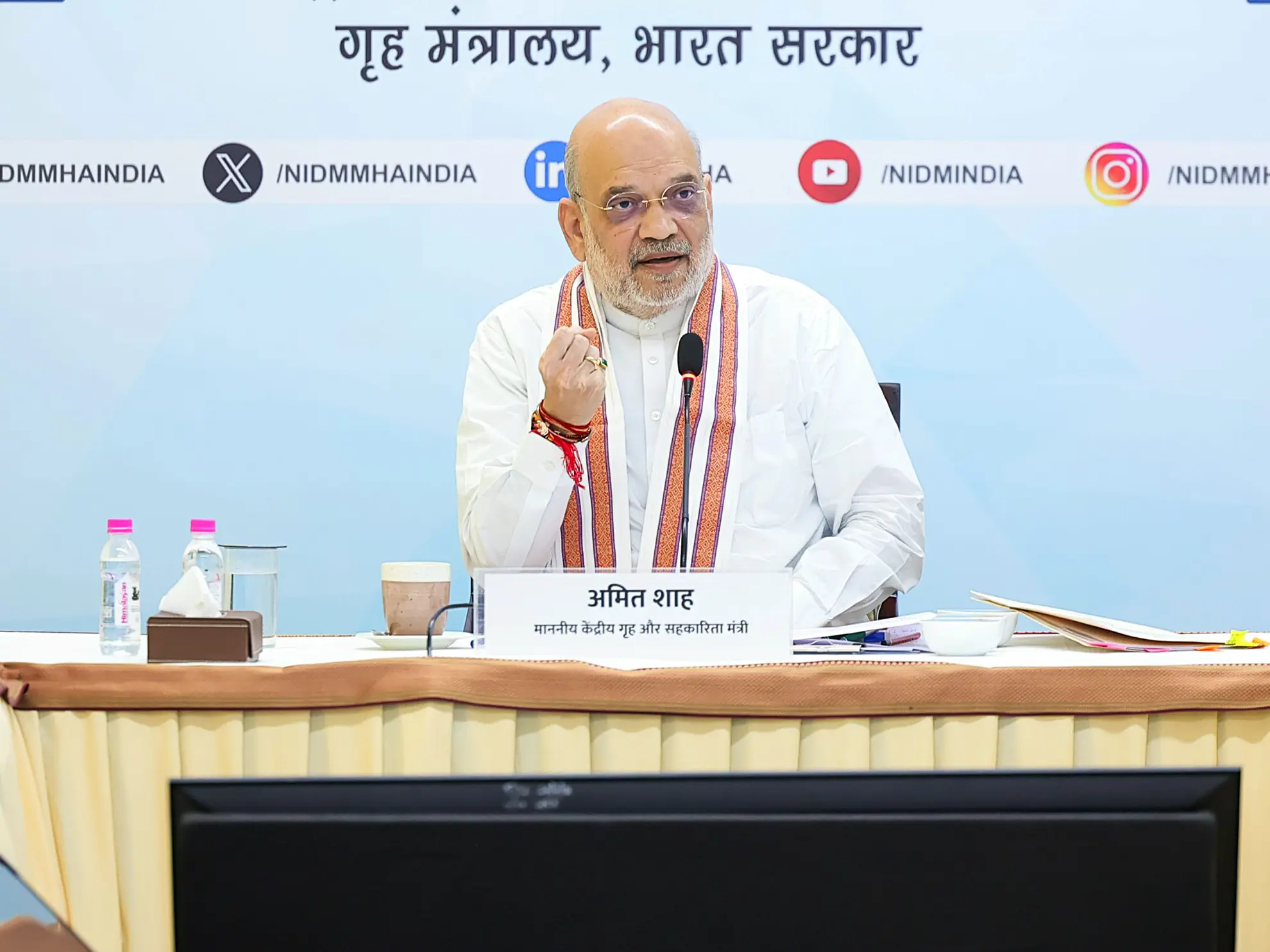
GTNS,SEPTEMBER 14, 2026, NEW DELHI: The political temperature around the Uniform Civil Code is rising again, with Union Home Minister Amit Shah’s latest push giving the issue a sharper deadline and potentially turning it into one of the major political themes ahead of the 2029 Lok Sabha election.
The significance of the latest development lies not merely in the question of introducing a common civil framework. It is the possibility that the UCC could become a test of political alignment inside the NDA and a major campaign issue between the BJP and the Opposition.
For the BJP, the UCC has been associated with the principle that citizens should have common civil rules in areas such as marriage, divorce, inheritance and adoption. The party has repeatedly argued that reform in these areas should strengthen equality and uniformity.
The Opposition, however, views the proposed changes through a different lens, raising concerns about religious practices, constitutional protections and India’s social diversity.
THE REAL BATTLE MAY BE IN THE STATES
The next chapter of the UCC story is likely to unfold primarily in state capitals rather than only in New Delhi.
With the BJP-led NDA controlling governments in several states, the Centre’s political message puts pressure on individual state administrations to examine how such a framework could be introduced within their respective jurisdictions.
Uttarakhand has already taken the most significant step by bringing its UCC framework into force. Other BJP-ruled states have also examined or moved towards legislation.
That creates a potentially important political experiment: different states could become laboratories for a common national objective.
The experience of each state—its legal challenges, public response and political consequences—could influence the next state’s approach.
NDA UNITY UNDER THE SPOTLIGHT
The UCC could also test the BJP’s relationship with its coalition partners.
The NDA is a broad political alliance containing parties with different regional interests and electoral bases. While the BJP may see the UCC as a core national issue, alliance partners must also consider how the policy could affect their own states and voters.
That makes the UCC more than an Opposition-versus-BJP confrontation.
It could become a negotiation within the NDA itself.
The ability of the BJP to maintain coalition unity while pursuing an issue carrying strong ideological significance could become an important factor in the political calculations leading to 2029.
OPPOSITION SEARCHES FOR A COUNTER-NARRATIVE
For Opposition parties, the UCC presents both an opportunity and a challenge.
They can attack the BJP over what they describe as the political use of a sensitive issue. But simply opposing the UCC may not be enough to shape the national debate.
The Opposition will also have to answer a difficult question: what should India’s future personal-law reform look like?
Issues such as equal rights in marriage, inheritance and family law cannot be separated entirely from the larger conversation about legal reform.
If the Opposition concentrates only on resisting the BJP, it risks allowing the ruling party to control the reform narrative. If it proposes an alternative framework, however, the debate could move towards a more substantive discussion about constitutional rights and social reform.
ARTICLE 44 RETURNS TO THE POLITICAL CENTRE
At the heart of the debate is Article 44 of the Constitution, which directs the State to endeavour to secure a uniform civil code for citizens.
The provision has existed since the Constitution came into force, but political governments have differed sharply over how and when such a principle should be implemented.
The present political push therefore represents a renewed attempt to convert a constitutional directive into practical legislation.
That transition is likely to face intense scrutiny from lawmakers, civil society, communities and the courts.
2029 CHANGES THE POLITICAL CALCULATION
The timing is crucial.
The next Lok Sabha election is expected in 2029, giving political parties several years to build public arguments around the UCC.
For the BJP, successful implementation across more NDA-ruled states could become evidence of policy delivery and ideological continuity.
For the Opposition, the same developments could provide an opportunity to campaign around federalism, pluralism, minority concerns and the protection of diverse social traditions.
The political contest may therefore extend far beyond the actual wording of UCC legislation.
LEGAL REFORM OR ELECTORAL FLASHPOINT?
That is likely to be the central question as the debate develops.
If governments succeed in building consensus and addressing concerns surrounding different communities and tribal groups, the UCC could gradually move towards becoming a major legal reform.
If political divisions deepen, however, the issue could become another major ideological fault line in Indian politics.
Either way, Amit Shah’s latest UCC push has changed the political conversation.
The issue is now moving towards a new phase in which state governments, NDA allies, Opposition parties and the judiciary could all play decisive roles.
With 2029 on the political horizon, the Uniform Civil Code is emerging not merely as a question of law, but as a test of India’s coalition politics, constitutional debate and competing visions of governance.