
NEW DELHI:GTNS, SEPTEMBER 10, 2026 India’s foreign policy is increasingly defined by a strategy of engaging with different international power centres simultaneously, allowing New Delhi to pursue its national interests without becoming dependent on any single geopolitical bloc.
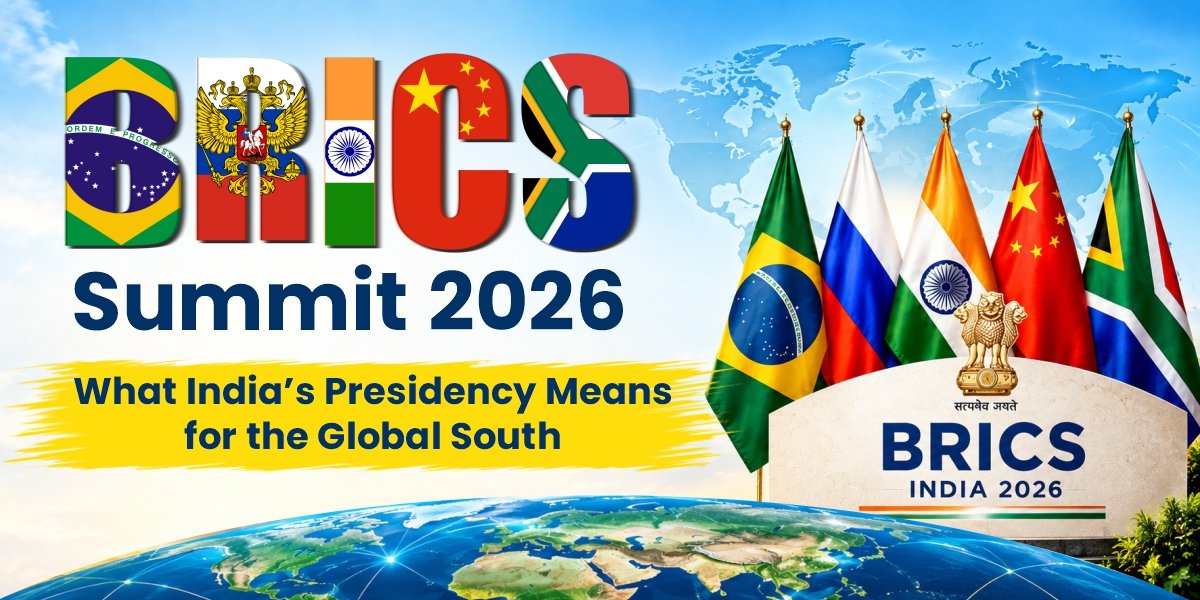
India’s participation in BRICS, the Shanghai Cooperation Organisation (SCO), the G20 and the QUAD reflects four different dimensions of its global engagement.
BRICS and the SCO provide platforms for India to work with China, Russia and other emerging economies on issues linked to development, trade, security and the interests of the Global South. At the same time, India’s role in the G20 gives it a wider platform to influence discussions on the global economy, sustainable development and international governance.
The QUAD represents another important pillar of New Delhi’s foreign policy, particularly in the Indo-Pacific. Cooperation with the United States, Japan and Australia focuses on regional stability, maritime security, resilient supply chains, technology and a free and open Indo-Pacific.
Rather than treating these partnerships as mutually exclusive, India has increasingly demonstrated that it can participate in different groupings while maintaining its own independent policy choices.
This approach gives New Delhi greater diplomatic flexibility at a time when global politics is becoming increasingly fragmented. Relations with major powers can be managed according to the issue at hand, while India continues to expand its economic, strategic and diplomatic influence.
The emerging message from New Delhi is therefore not one of choosing between rival camps. It is an effort to remain strategically autonomous while engaging with all major centres of global influence.
For India, the objective is clear: maximise diplomatic space, protect national interests and strengthen its position in an evolving multipolar world.
Global Times News | GTNS