

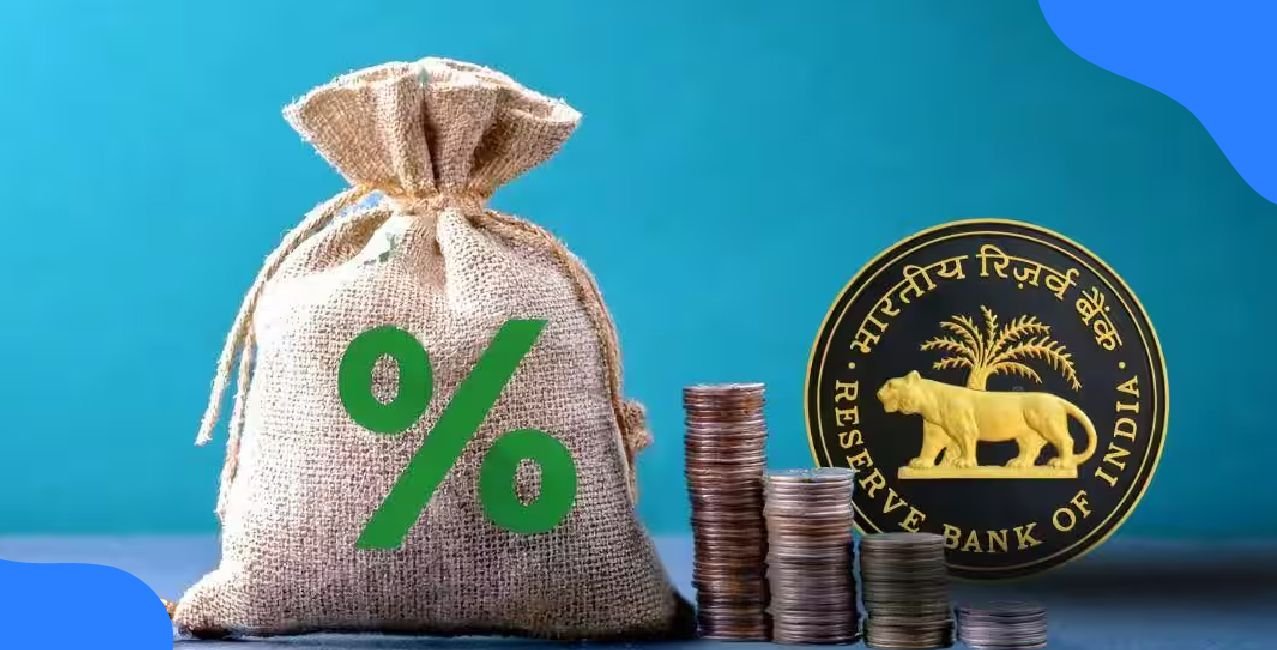
September 06/26/GTNS Mumbai: The possibility of a change in the Reserve Bank of India’s interest-rate policy has put borrowers, banks and financial markets on alert. With inflation remaining an important concern, attention is now focused on whether the RBI could consider raising the repo rate in a future policy review.
The repo rate is the rate at which the central bank provides short-term funds to commercial banks. Any increase can influence the lending rates offered by banks and, in turn, affect borrowing costs for households and businesses.
Borrowers could feel the pressure
A rise in the repo rate could make loans more expensive, particularly for customers with floating-rate borrowings.
Home-loan borrowers may see their EMIs increase or their repayment period extended, depending on how banks adjust their lending rates. Personal loans, vehicle loans and business credit could also become costlier.
For small businesses that depend on bank finance for working capital and expansion, higher interest expenses could affect investment decisions and operating costs.
Inflation remains a key concern
The RBI is expected to closely monitor price movements before taking any major policy decision. Persistent increases in food and other essential prices can put pressure on household budgets and influence inflation expectations.
A tighter interest-rate policy can help moderate demand and contain inflationary pressures. However, higher borrowing costs can simultaneously affect consumption and investment, making the policy decision a delicate balancing exercise.
Growth also on the radar
While controlling inflation remains important, policymakers also need to consider the pace of economic growth.
Higher interest rates can discourage fresh borrowing and delay some investment decisions. Businesses planning expansion may become more cautious if financing costs rise significantly.
The RBI therefore faces the challenge of maintaining price stability without putting unnecessary pressure on economic activity.
Markets watching closely
Financial markets are likely to react to any indication about the future direction of interest rates.
Banks, real-estate companies, automobile firms and other interest-rate-sensitive sectors could see changes in investor sentiment if expectations of a rate hike strengthen.
Bond yields and currency markets may also respond to signals from the central bank.
What will determine the decision?
The RBI’s eventual approach will depend on a range of economic indicators. Inflation trends, economic growth, liquidity conditions, global commodity prices, financial-market developments and currency movements could all influence the policy outlook.
For now, a rate increase should be viewed as a possibility rather than a certainty. The central bank’s policy decisions will depend on the economic data available at the time of its review.
For millions of borrowers, however, even the prospect of higher interest rates is significant. A change in the repo rate can eventually affect monthly household budgets, business financing costs and investment plans.
As the next phase of monetary-policy discussions approaches, the key question remains whether the RBI will prioritise tighter control over inflation or maintain conditions that support economic growth.
September 06/26/GTNS | THE GLOBAL TIMES BUREAU