

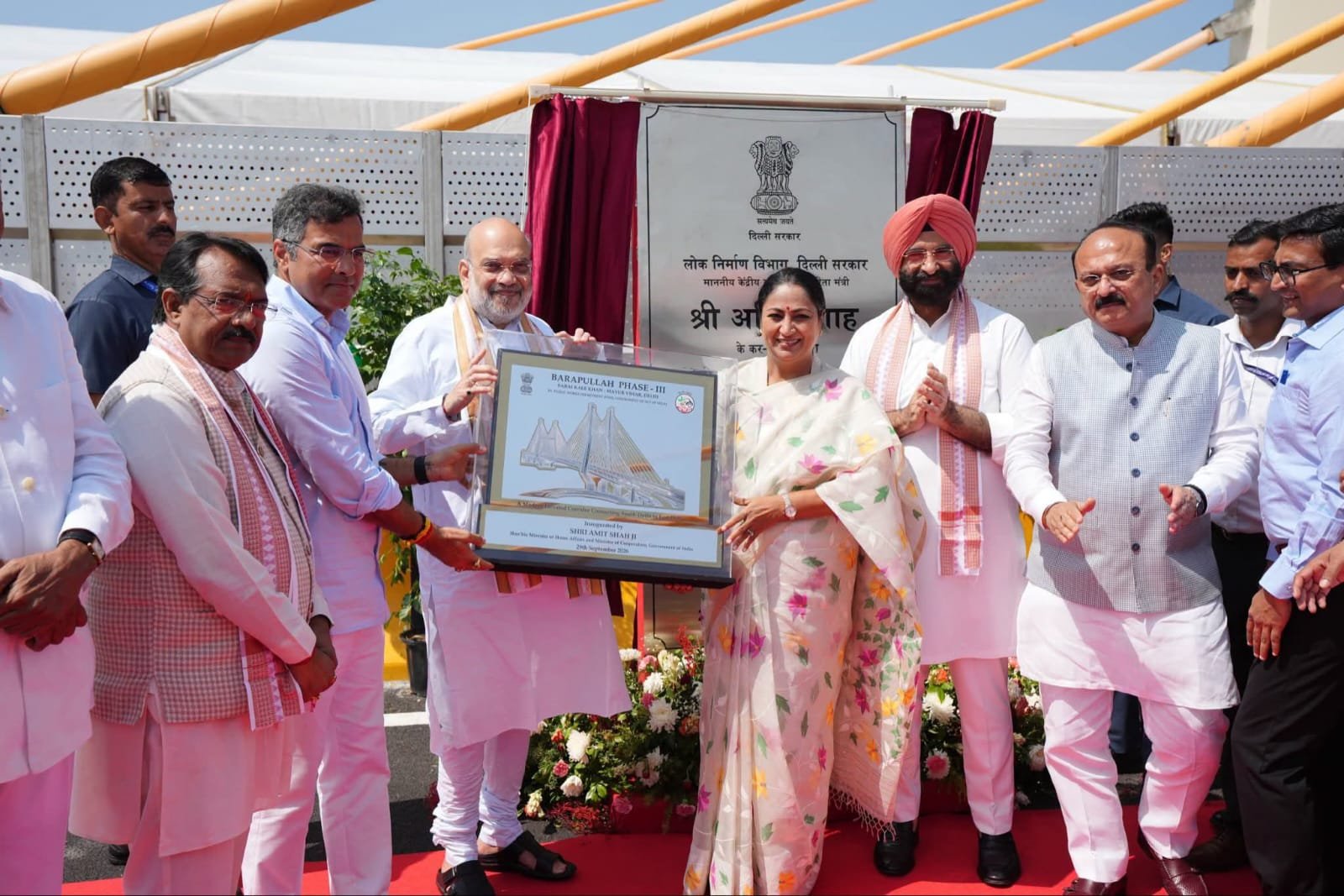
New elevated corridor is aimed at creating faster, signal-free movement between East and South Delhi and reducing pressure on busy road networks
GTNS , NEW DELHI | SEPTEMBER 29, 2026 , New Delhi witnessed a major addition to its road infrastructure with Union Home Minister Amit Shah inaugurating four road projects with a combined investment of ₹1,941 crore, including the long-awaited Barapullah Phase-3 elevated corridor.
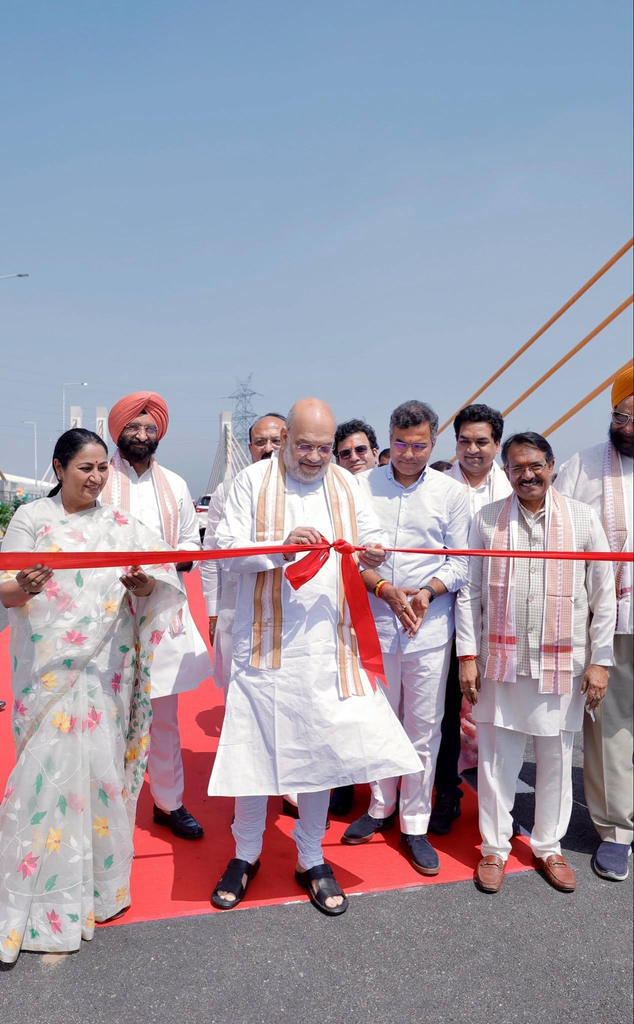
The newly dedicated infrastructure is expected to strengthen connectivity across important parts of the national capital and address some of the city’s persistent traffic bottlenecks.
The Barapullah Phase-3 corridor has been developed to establish a signal-free route between East Delhi and South Delhi. According to Shah, the corridor will make daily commuting more convenient by reducing interruptions caused by traffic signals and helping motorists cover the route in less time.
Focus on smoother urban mobility
The opening of the elevated corridor is significant for commuters travelling between eastern and southern parts of Delhi. By providing an elevated link over congested stretches, the project is intended to reduce dependence on heavily crowded surface roads.
Shah said the new facility would help ease traffic congestion and provide commuters with relief from prolonged journeys. The broader objective of the road projects is to improve mobility while strengthening Delhi’s urban transport infrastructure.
Four projects, wider connectivity
The four infrastructure projects unveiled in the capital represent a combined investment of ₹1,941 crore. Together, they are aimed at improving road connectivity and creating additional capacity on Delhi’s increasingly busy transport network.
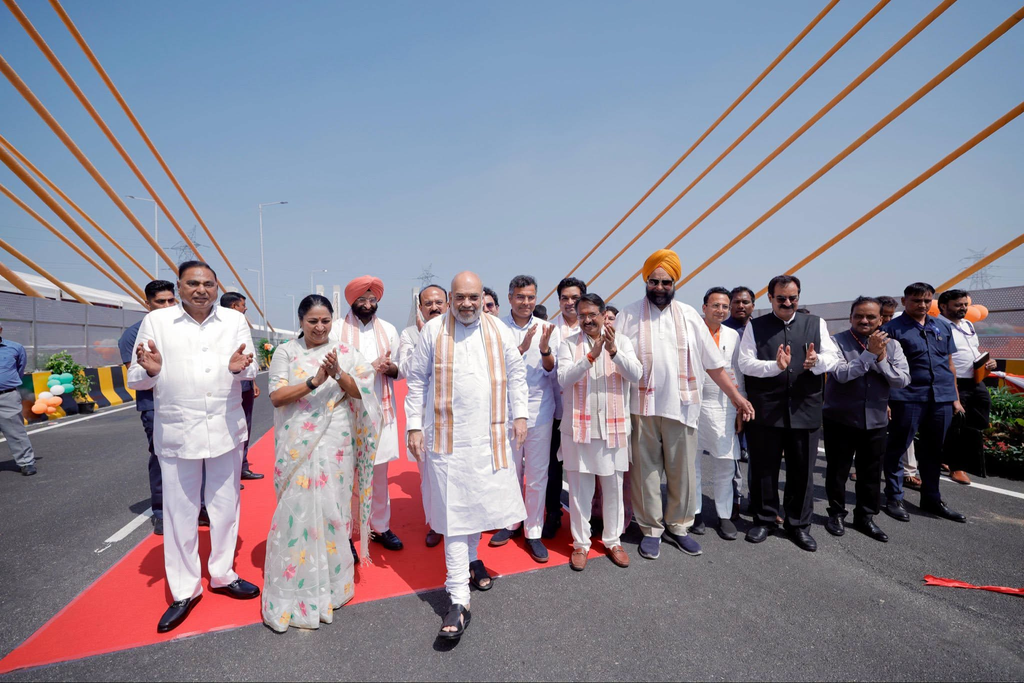
The Barapullah Phase-3 project, in particular, has attracted attention because of the extended delay associated with its completion. Its opening now adds another elevated link to Delhi’s road system.
With traffic volumes continuing to place pressure on the capital’s existing roads, the new infrastructure is expected to play a role in improving journey times and reducing congestion on key corridors.
The projects underline the continuing emphasis on expanding elevated and grade-separated road infrastructure as Delhi seeks to manage growing urban mobility demands.
Source: Government of India / official statements.