

Rajnath Singh attends Bengaluru handover; HTT-40 receives the name ‘Ankur’ as India advances its domestic military-aircraft training ecosystem
Global Times News | INDIA ; GTNS
SEPTEMBER 19, 2026 , BENGALURU — India’s indigenous military aviation programme reached another operational milestone on September 18 as Hindustan Aeronautics Limited (HAL) handed over two LCA Tejas Final Operational Clearance (FOC) twin-seater trainer aircraft and three HTT-40 basic trainer aircraft to the Indian Air Force.
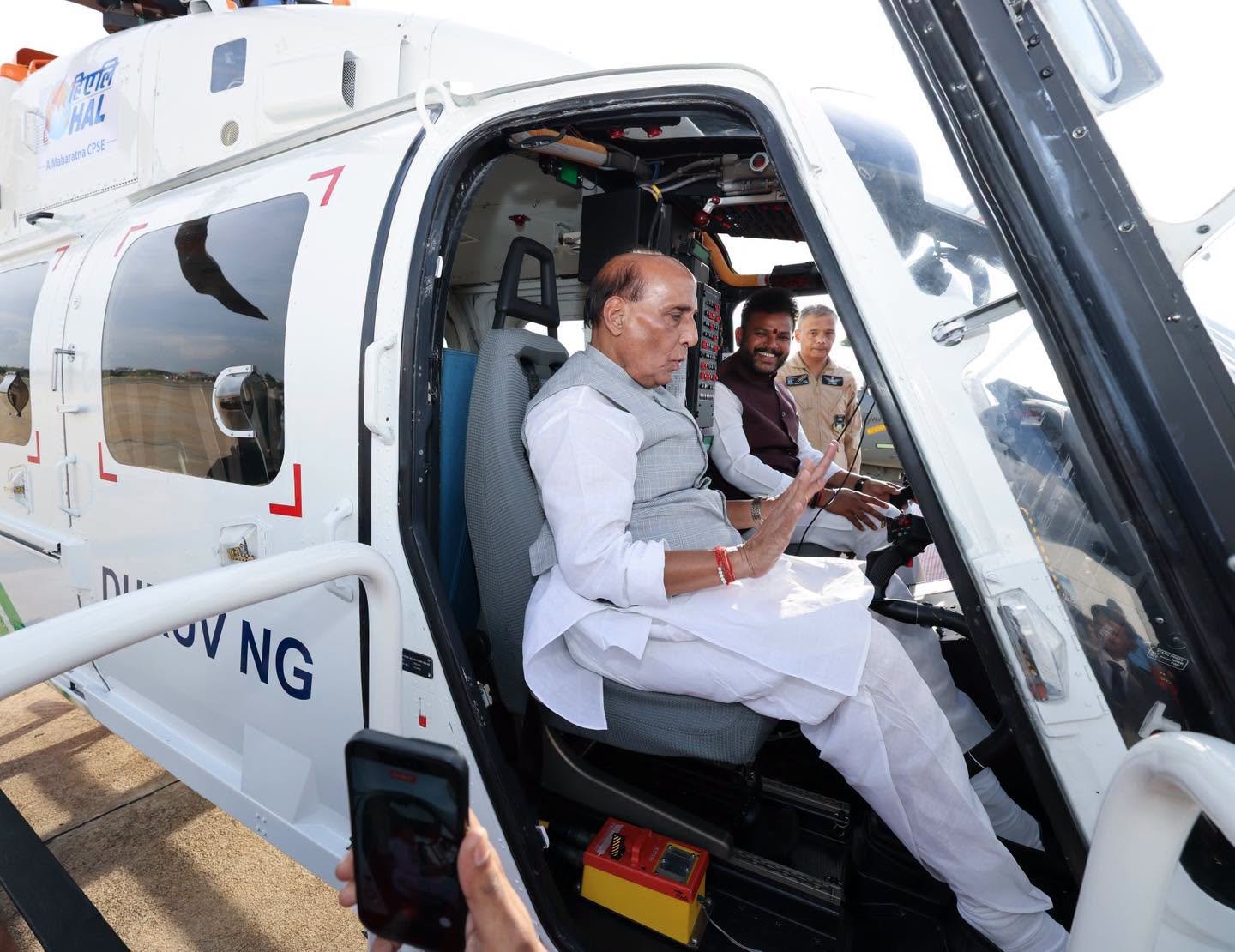
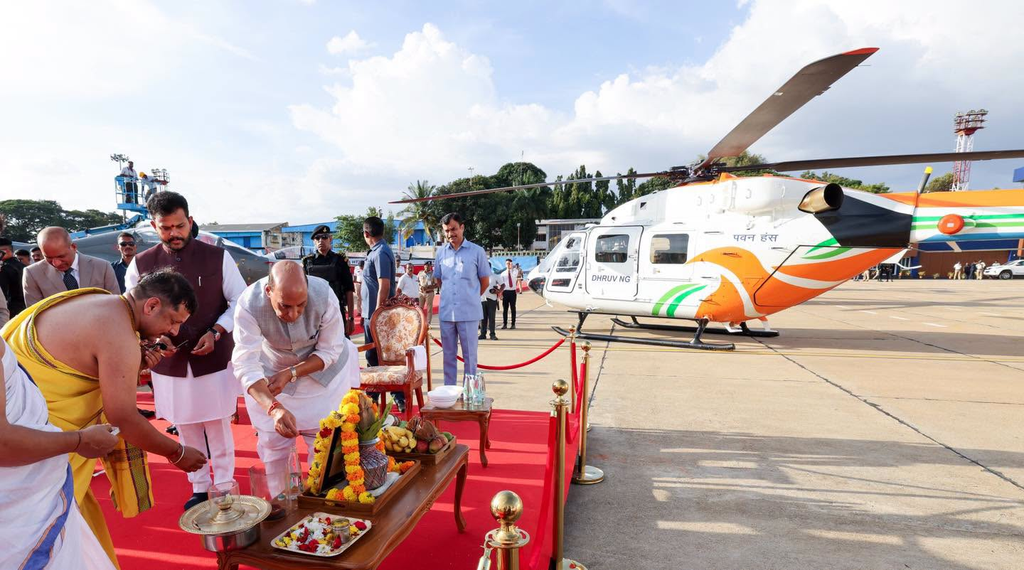
Defence Minister Rajnath Singh and Civil Aviation Minister K. Rammohan Naidu attended the handover ceremony in Bengaluru, where a puja was also held to mark the delivery of the aircraft. Four Dhruv Next Generation helicopters were simultaneously handed over by HAL to Pawan Hans Limited.
TEJAS TRAINER DELIVERY COMPLETES FOC TWIN-SEATER SUPPLY
The two Tejas aircraft handed over to the IAF are the final two twin-seater trainers under the FOC contract, completing the delivery of that four-aircraft twin-seater requirement.
Unlike a conventional basic trainer, the Tejas twin-seater is intended to provide pilots with training on an aircraft platform closely connected to the fighter they will eventually operate. The aircraft retains the core systems and combat capability associated with the Tejas platform, allowing training to take place within an indigenous fighter-aircraft environment.
The delivery is significant for the IAF’s training pipeline as India continues to expand the use of domestically designed and manufactured combat aircraft.
HTT-40 ‘ANKUR’ ENTERS THE DELIVERY PHASE
The second major development was the handover of HTT-40 basic trainer aircraft.
The aircraft, developed by HAL as an indigenous basic trainer, is intended for the early stages of military pilot training. It is designed for general handling, aerobatics, instrument flying, navigation, night flying and close-formation training.
The IAF formally received the aircraft under the name “Ankur.” HAL has a contract to supply 70 HTT-40 aircraft, making the September delivery the beginning of a much larger induction programme.
The HTT-40 features a modern glass cockpit and avionics suite and is powered by a turboprop engine. HAL describes it as an aircraft designed specifically for primary training requirements.
FROM BASIC TRAINING TO FRONTLINE FIGHTER PREPARATION
Together, the two aircraft types address different stages of the pilot-training chain.
The HTT-40 is designed for basic flying instruction, while the Tejas twin-seater allows pilots to train on a platform connected to India’s indigenous fighter fleet.
That creates a potential domestic training pathway in which pilots can progress from initial flying instruction to more advanced aircraft training without the entire training architecture depending on imported platforms.
The Defence Ministry said the HTT-40 addresses an area in which India had historically relied on imported aircraft for basic training.
RAJNATH SINGH FOCUSES ON THE LARGER AEROSPACE ECOSYSTEM
Addressing the ceremony, Rajnath Singh described the handover as part of India’s effort to strengthen indigenous aerospace capability and technological self-reliance.
He also called for an integrated aerospace ecosystem spanning aircraft design, avionics, propulsion, composite materials, flight-control systems, manufacturing, certification and lifecycle support.
The Defence Minister further called for realistic timelines in defence projects, noting that delays can affect operational requirements, increase costs and create risks of technology becoming outdated.
His remarks placed the aircraft deliveries within a wider policy objective: developing not only individual aircraft but also the industrial and technological capabilities required to sustain them.
DHruV NG ADDS A CIVIL AVIATION DIMENSION
The Bengaluru event was broader than the IAF handover.
HAL also delivered four Dhruv NG helicopters to Pawan Hans Limited. The delivery represents the entry of the civil-certified Dhruv NG into the civil aviation segment.
The helicopter is intended for roles including passenger transportation, emergency medical services and offshore operations.
The simultaneous delivery of fighter trainers, basic trainers and civil helicopters illustrated the range of HAL’s current aerospace activities.
WHY THE HANDOVER MATTERS
The significance of the September 18 ceremony lies in the different roles being addressed by the three platforms.
The Tejas twin-seater strengthens India’s indigenous fighter-training infrastructure.
The HTT-40 provides a domestically developed aircraft for the basic stage of military pilot training.
The Dhruv NG expands HAL’s presence in civil aviation.
The combined programme therefore extends beyond a simple aircraft handover. It reflects an effort to develop a broader Indian aerospace chain covering design, manufacturing, training, certification and operational support.
For the IAF, the immediate outcome is the addition of new indigenous training aircraft. For India’s aerospace industry, the longer-term question will be how effectively these platforms can be produced, supported, upgraded and integrated into a sustainable domestic aviation ecosystem.
Global Times News | INDIA ; GTNS NEWS DESK
SEPTEMBER 19, 2026