
Trump to decide whether to use new tariff authority against major Russian energy buyers; India says it is monitoring developments
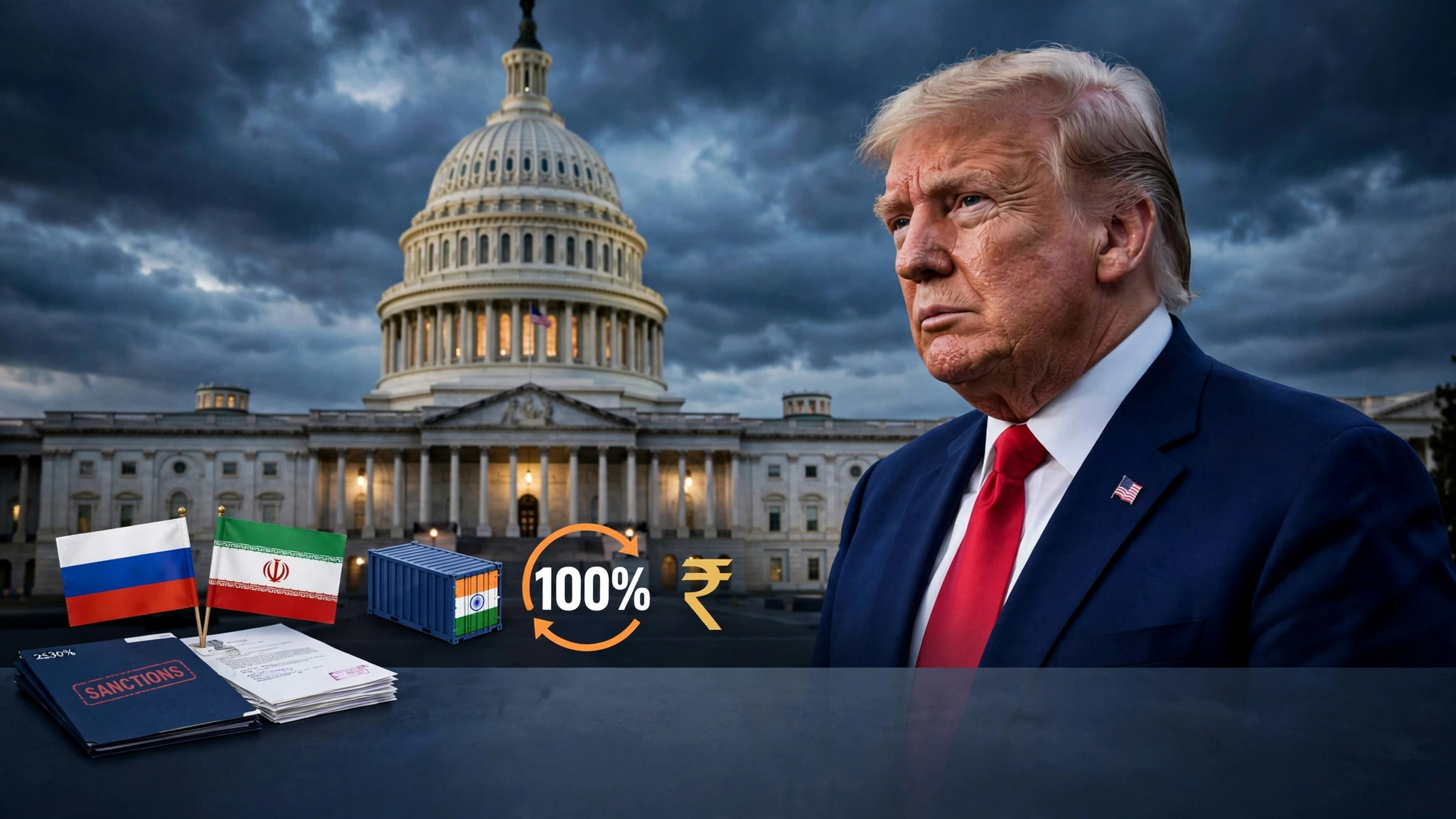
GTNS , SEPTEMBER 17, 2026 , NEW DELHI — A new round of uncertainty has emerged for India-US trade after the US Congress cleared legislation targeting Russia and Iran that could give President Donald Trump the authority to impose tariffs of up to 100% on countries purchasing Russian oil and gas.
The House of Representatives approved the Lindsey O. Graham Sanctioning Russia and Iran Act of 2026 by a vote of 262-159 on Wednesday. The legislation had already cleared the Senate with an 86-11 vote and now goes to Trump for his signature.
INDIA AMONG COUNTRIES UNDER POTENTIAL PRESSURE
India is among the major buyers of Russian crude and was specifically identified during the US congressional debate as a country that could potentially be affected by the new tariff mechanism.
However, the legislation does not automatically impose a 100% tariff on Indian exports. Instead, it would provide the US President with the authority to apply tariffs of up to that level under specified circumstances.
That distinction is significant for Indian businesses and exporters, as the immediate impact depends on whether the Trump administration actually exercises the authority and, if so, at what level.
INDIA MONITORS WASHINGTON’S NEXT MOVE
India’s Ministry of External Affairs has said that New Delhi is monitoring the passage of the legislation. The government has reiterated its focus on energy security and protecting the country’s economic and trade interests while continuing to diversify energy sourcing according to market conditions.
The development comes at a sensitive point in India-US economic relations, with trade discussions already facing questions over tariffs and market access.
WHAT THE NEW LAW COULD MEAN
If Trump signs the legislation, the United States would have an additional instrument to put economic pressure on countries maintaining significant purchases of Russian energy.
The legislation also targets Russia’s energy and defence sectors and its so-called shadow fleet, while introducing additional measures concerning Iran.
For India, the central question is therefore no longer whether the bill contains a 100% tariff provision — it does — but whether the Trump administration will use that authority against Indian trade and under what conditions.
At present, there is no confirmed decision that India will face a 100% tariff. The next major step is Trump’s decision on the legislation and any subsequent action by his administration.